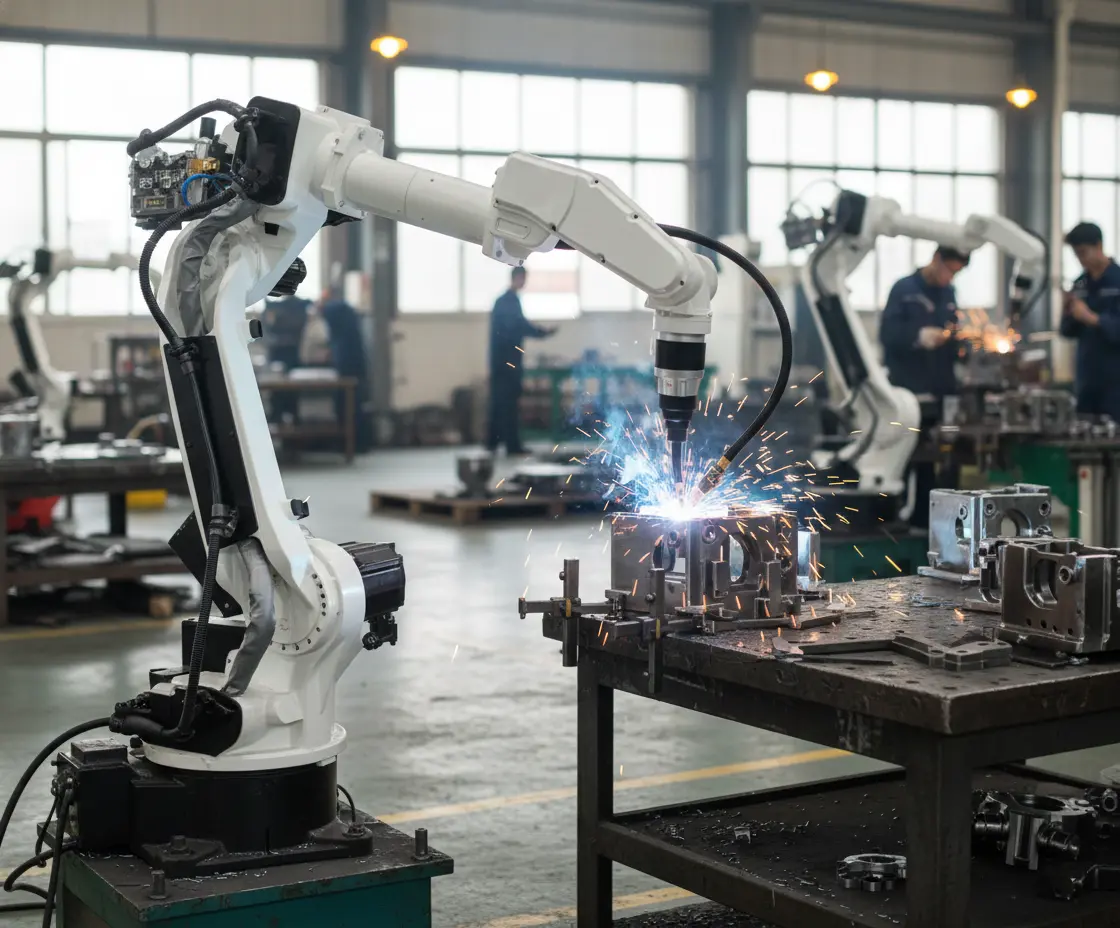
Manufacturing robot

Manufacturing Robots: Changing the Industrial Workforce to Fit a New Era

The scope of changes in manufacturing is so vast that it can be compared with the first industrial revolution. On top of that companies have to deal with the following challenges: intense competition, ever, rising wages, the complications of reshoring production and customers who are very demanding in terms of both precision and delivery times. With robots as the rescue, manufacturing is turning upside down from the ground up.

According to IFR, the number of robots to be installed yearly will be more than 700, 000 after 2030. The majority of the growth is in the automotive sector, electronics, aerospace, and consumer goods. The market is the proof: smart manufacturing and industrial robotics will be worth $100 billion by 2033 with a yearly growth rate of more than 15%.

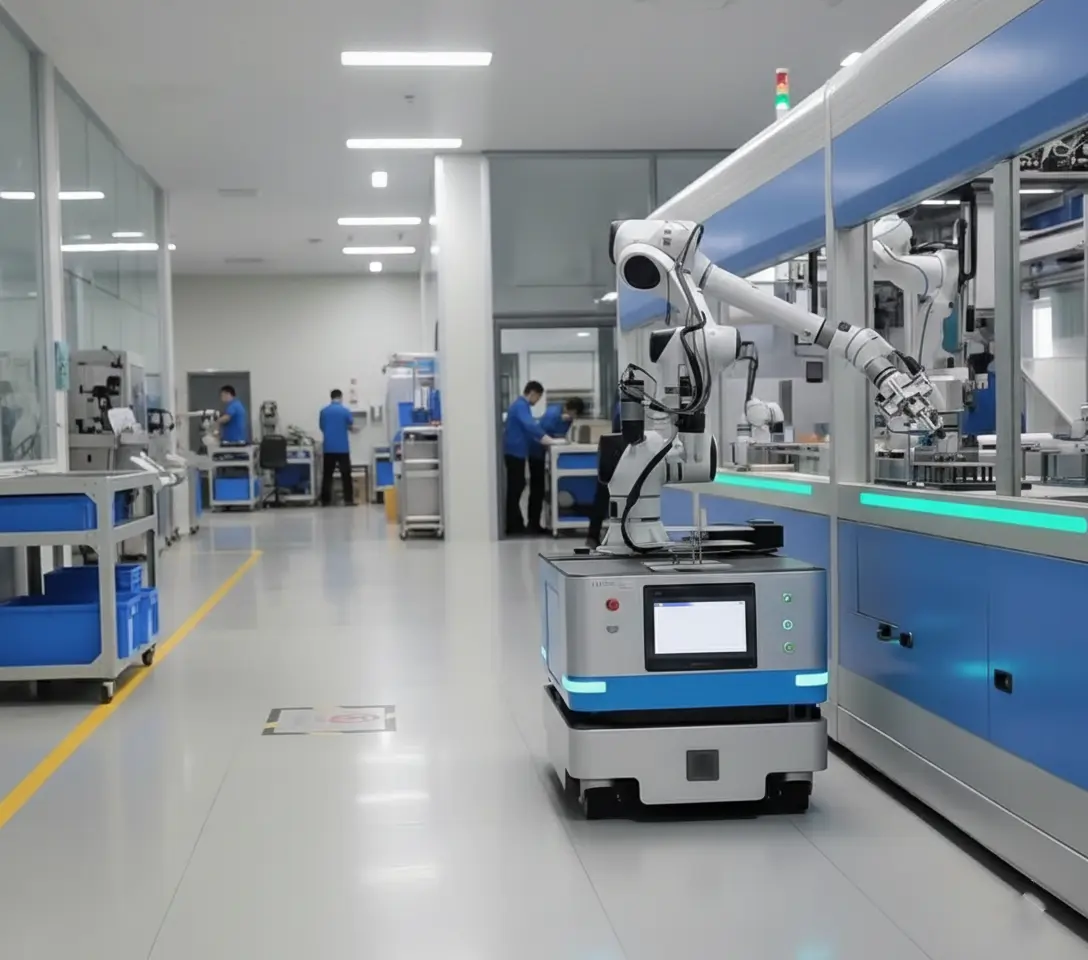
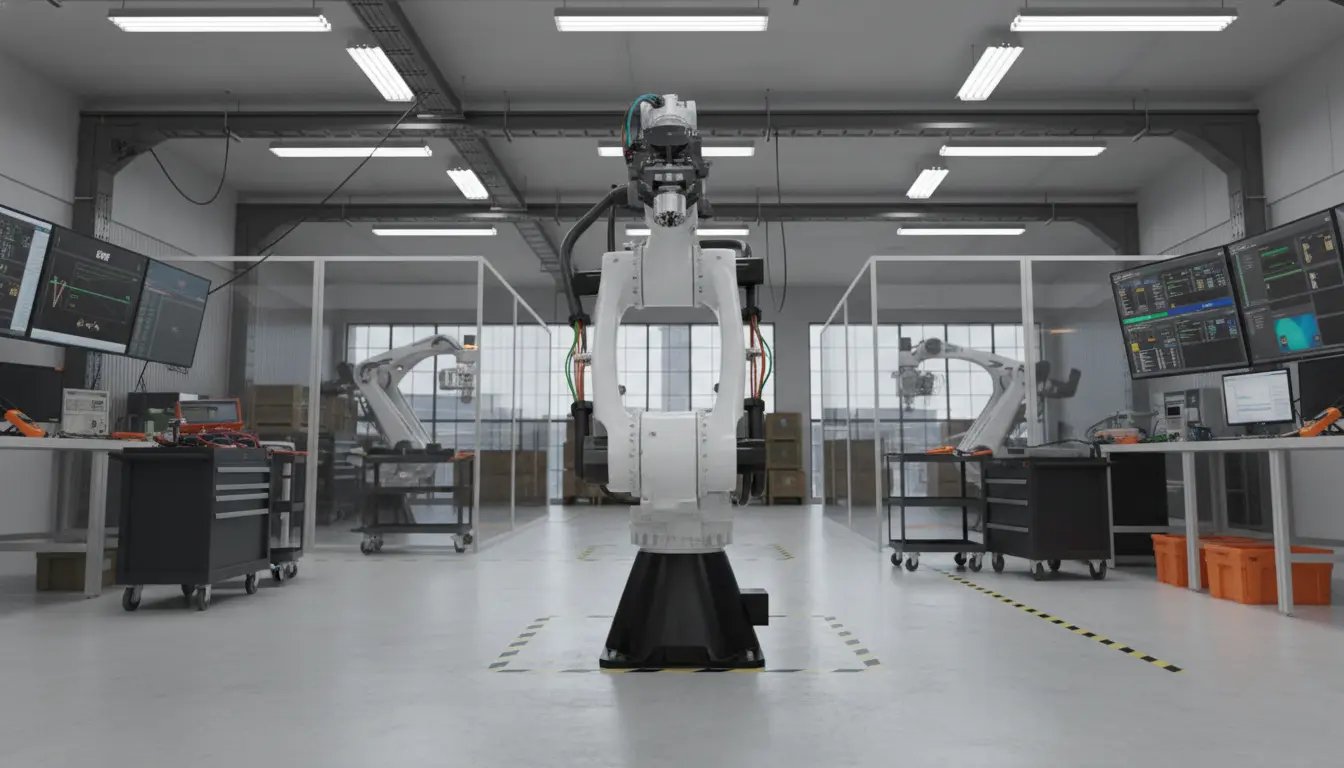
Robots are making a difference in a factory of the 21st century, and they are doing the hard work, both physically and metaphorically. Some of the tasks they do are assembling, welding, defect checking, and material handling. However, these are not the robots which were enclosed in safety cages 20 or 30 years ago. Today's factories operate on real, time data, and they are designed to be flexible. Collaborative robots (cobots) share the same working environment with humans, thus no safety fences are necessary. Autonomous mobile robots (AMRs) transport materials to different locations on the shop floor. Vision technology endows robots with an extreme degree of precision that is beyond what the human eye can perceive, i.e., the unit of measurement is in microns, so it does not matter whether the output is a dozen or ten thousand, the product's quality will be identical.

Manufacturing is becoming increasingly complex. Customization has become standard, and production volumes have become lower and more diverse. Robots are no longer a competitive advantage, but a basic necessity. If you do not have them, you will not be able to maintain global competition, reduce your downtime, and operate three shifts a day while achieving the quality level required.

Key Manufacturing Applications

Assembly Automation

Fast and precise assembly of electronics, automotive components, and consumer goods

Robotic Welding & Fabrication

MIG/TIG welding, laser welding, sheet metal work, structural assembly

CNC Machine Tending

Robots handle loading and unloading of parts keeping machines productive with minimal waiting time

Material Handling & Palletizing

Picking, placing, packing, pallet stacking, load, moving

Automated Quality Inspection

Camera, based systems that detect defects, measure dimensions, and maintain consistency

Painting & Coating Robots

Perfect finishing with less material consumption and lower chemical exposure for the workers

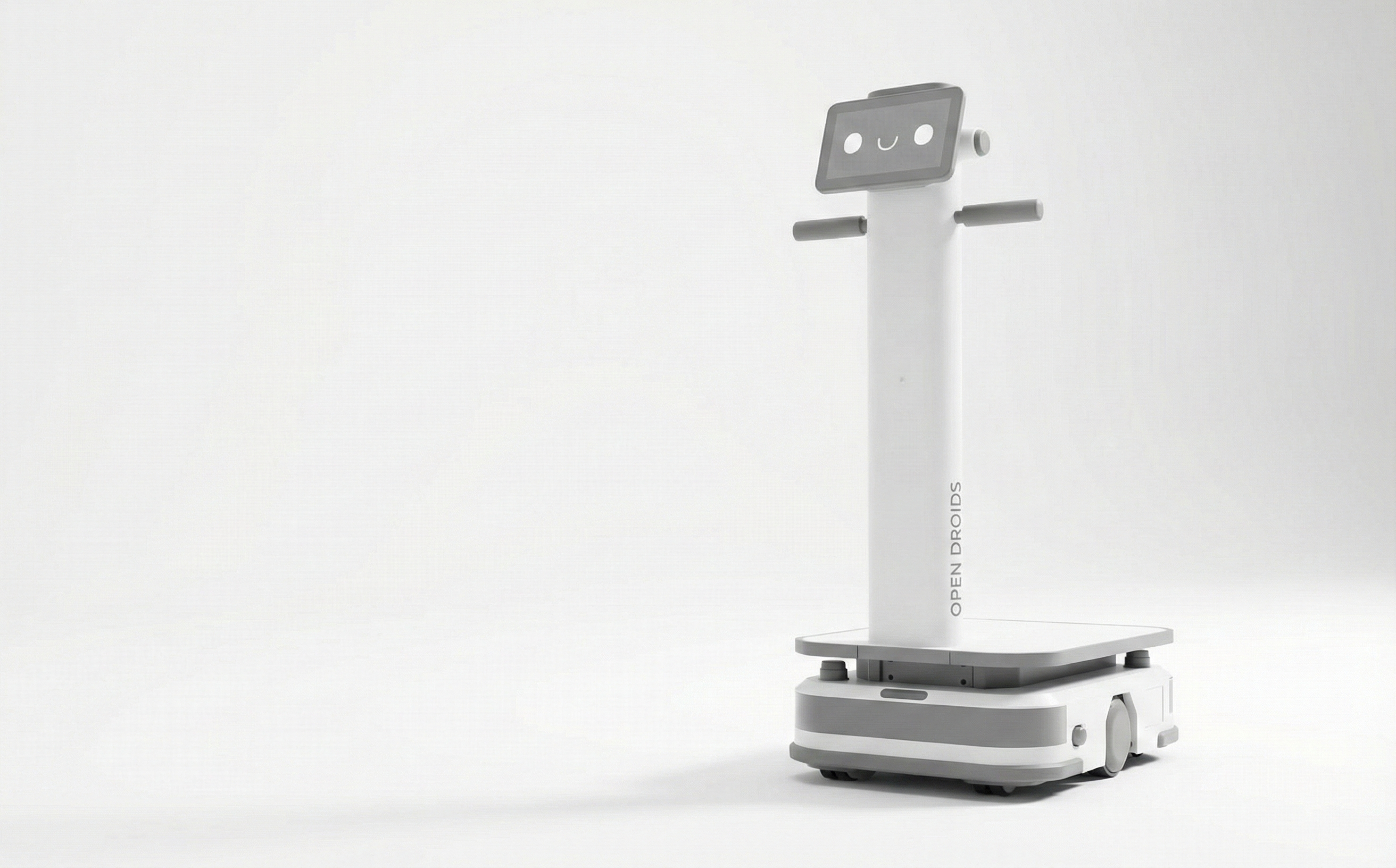
AMR-Based Intralogistics

Robots with self, navigation that transport materials, parts, and finished goods within the plant

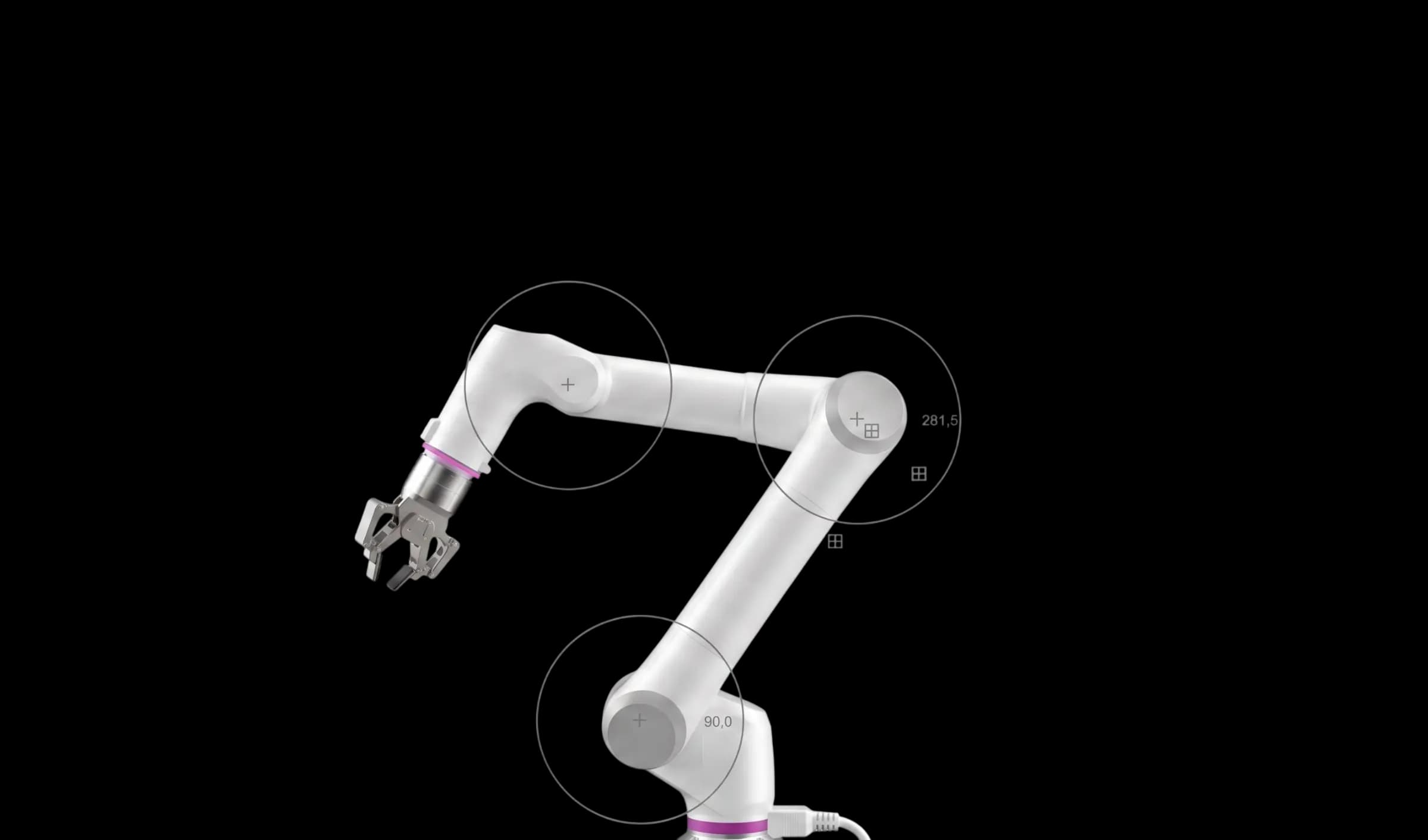
Collaborative Robots (Cobots)

Flexible automation for screwdriving, gluing, polishing, machine assistance, and small, scale assembly

Target Customers

  • Automotive & EV Manufacturers
  • Electronics & Semiconductor Plants
  • Aerospace & Defense Production
  • Metal Fabrication Workshops
  • Consumer Goods & Appliances Factories
  • Plastics & Injection Molding Units
  • FMCG & Packaging Industries
  • Medical Device & Pharma Manufacturing
  • Contract Manufacturing Companies
  • MSMEs adopting Industry 4.0 technologies

Ready to Transform Your Manufacturing Operations?

Let's discuss how custom robotics can revolutionize your manufacturing facility.