Hospital Automation · RaaS

Robots that Take the 3 AM Call So Your Nurses Don't Have To, for Hospitals.

OpenDroids, builds and operates a fleet of robots in hospitals to reduce walking time for the nursing staff in supply closets, support them in clinical work, and disinfect at the bedside.

24/7

Autonomous Coverage

30 Days

Deployment Timeline

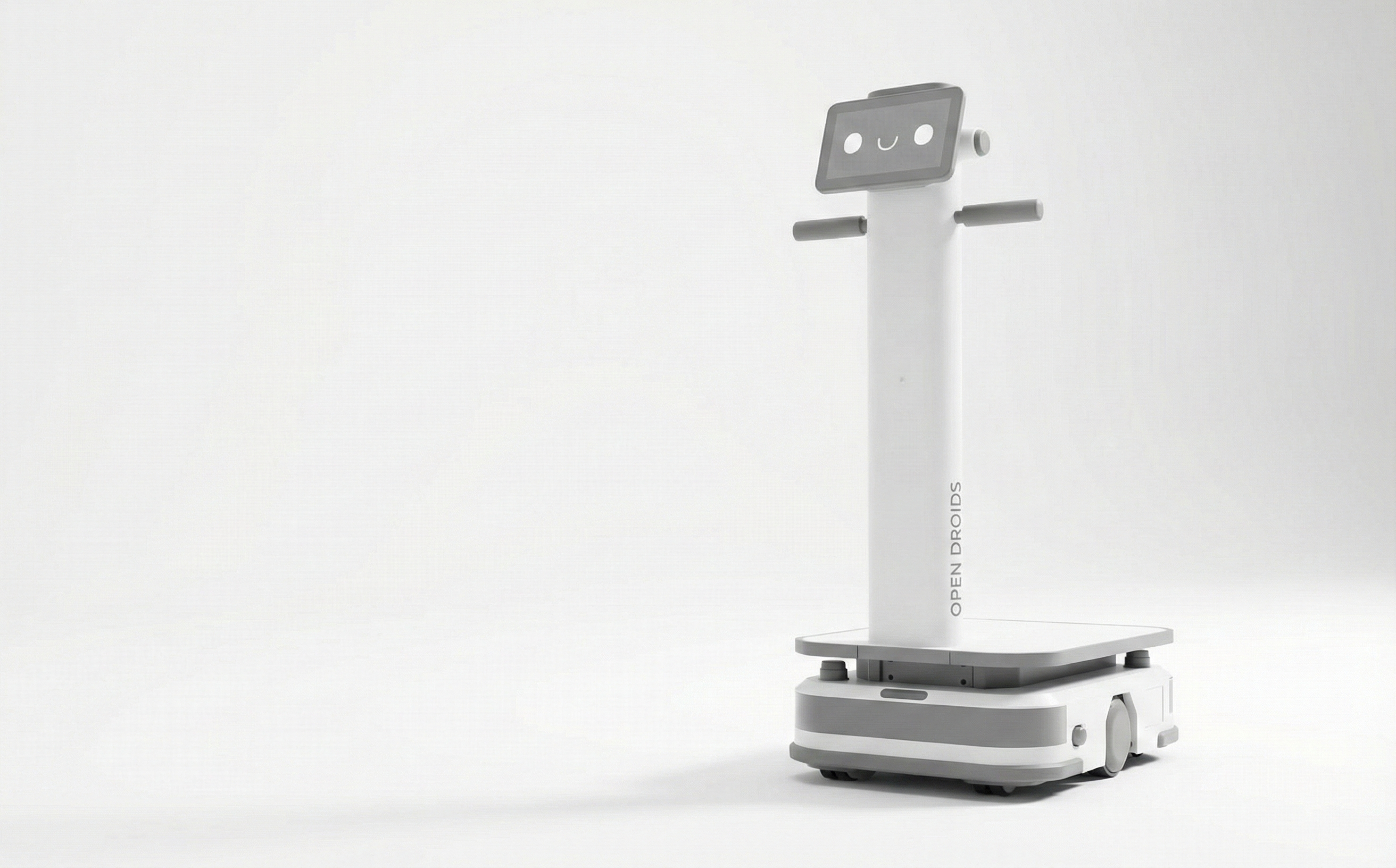
OpenDroids hospital robot navigating a clinical corridor

RN Replacement Cost

$61,110

average cost when one RN leaves (NSI 2025)

Never Clocks Out

The fleet operates nights, weekends, and holidays at the same rate, there are no call-offs, no overtime, and no shift differential.

A Fraction of the Bill Rate

Travel and agency RN bill rates run $85–$115/hr in 2026. The logistics layer is covered via a fixed monthly RaaS subscription; not on an hourly agency wage.

Time Back for Bedside Care

By automating that logistics layer, nurses can dedicate more of their shift to patient care by finding supplies, equipment and meds more quickly.

Consistent Infection Control

Every time, the same terminal-clean protocol is followed, on a documented and scheduled schedule; supporting compliance without an increase in overtime for EVS.

Three Different Roles. One Fleet of Autonomous Mobile Robots.

Medicine and supply runs, clinical telepresence, and terminal disinfection with a UV-C light, tasks mostly done after hours and during off-hours that exhaust nursing and EVS crews first.

The Runner

Medicine and Supply Deliveries
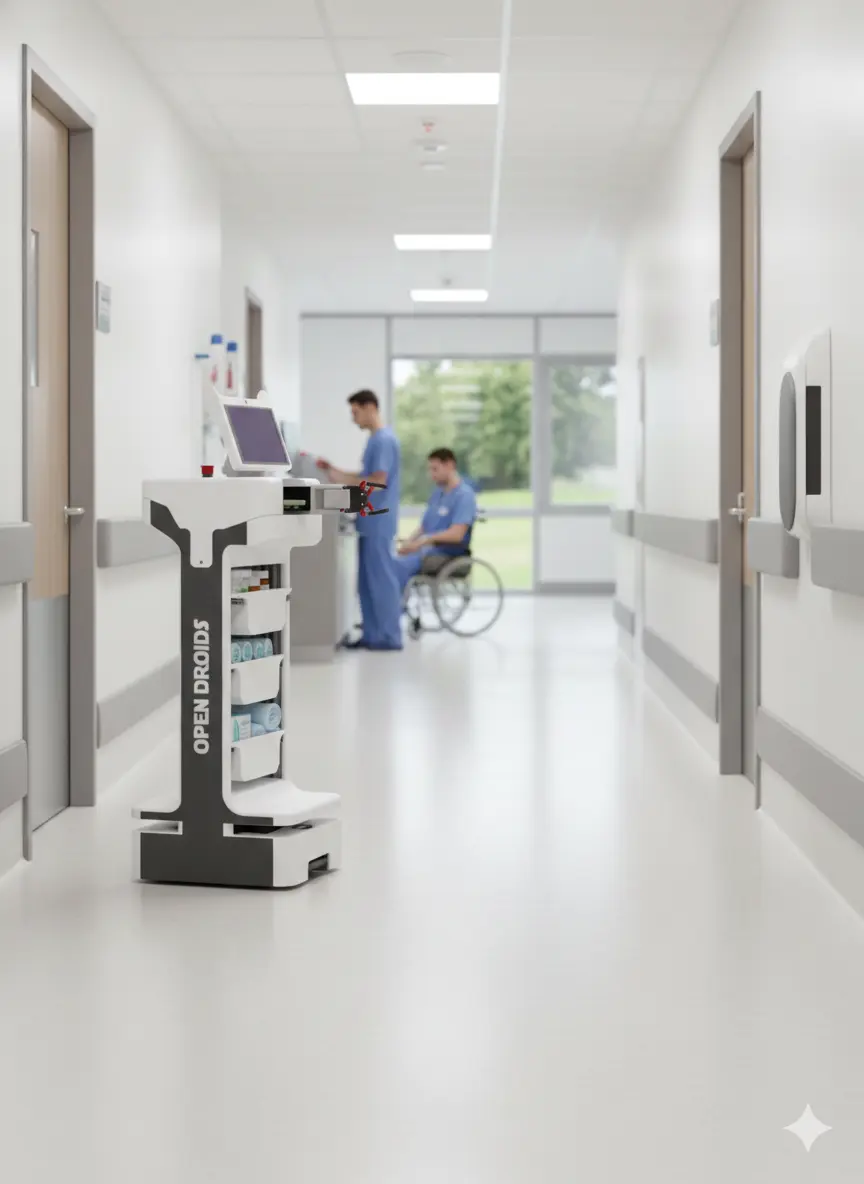
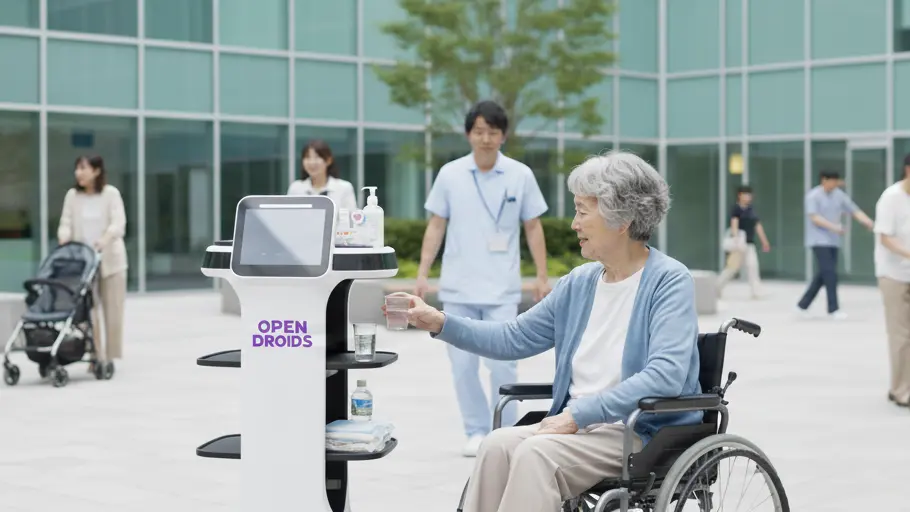
OpenDroids delivery robot at a nursing station with secure medication compartment

With a call light system that alerts nurses to take medication to a supply room or the ward/nurses' station, a nurse on night shift is unable to get real time to the ward or to the supply room or pharmacy floor, which according to McKinsey time and motion studies takes about 3% of the 12-hour shift, versus an ideal of around 6%. The Runner collects scheduled and on-demand loads from the pharmacy, central supply, or the lab, rides elevators independently and brings to the nursing station or bedside, with secure chain of custody handoffs.

  • Prevents the need for routine fetch trips, which allows clinical staff more time for care
  • Industry scale reference: Hospital AMR fleets have moved meds, labs and supplies for more than 100 miles/day and 160,000 deliveries/year.
  • Can be integrated with current elevators, doors and hallways. No separate tracks or retrofit equipment required
The Guardian

Patient Monitoring & Remote Consults

OpenDroids telepresence robot supporting a remote consult in a hospital room

Specialist coverage is light overnight and on off hours and a bedside check-in doesn't let a stable patient out of a high acuity room. The Guardian mobile telepresence terminal is a display device that connects the patient's vital signs from the existing bedside monitor to a remote specialist on video for consultation, without the need for a body in the hall.

  • Levers out-of-hours expertise without investing in additional resources
  • Avoids low acuity face-to-face patient encounters which displace staff to high acuity rooms
  • Supports consult workflows from existing bedside monitors, not a standalone diagnostic device, for remote consultation

The Sanitarian

Terminal Room Disinfection

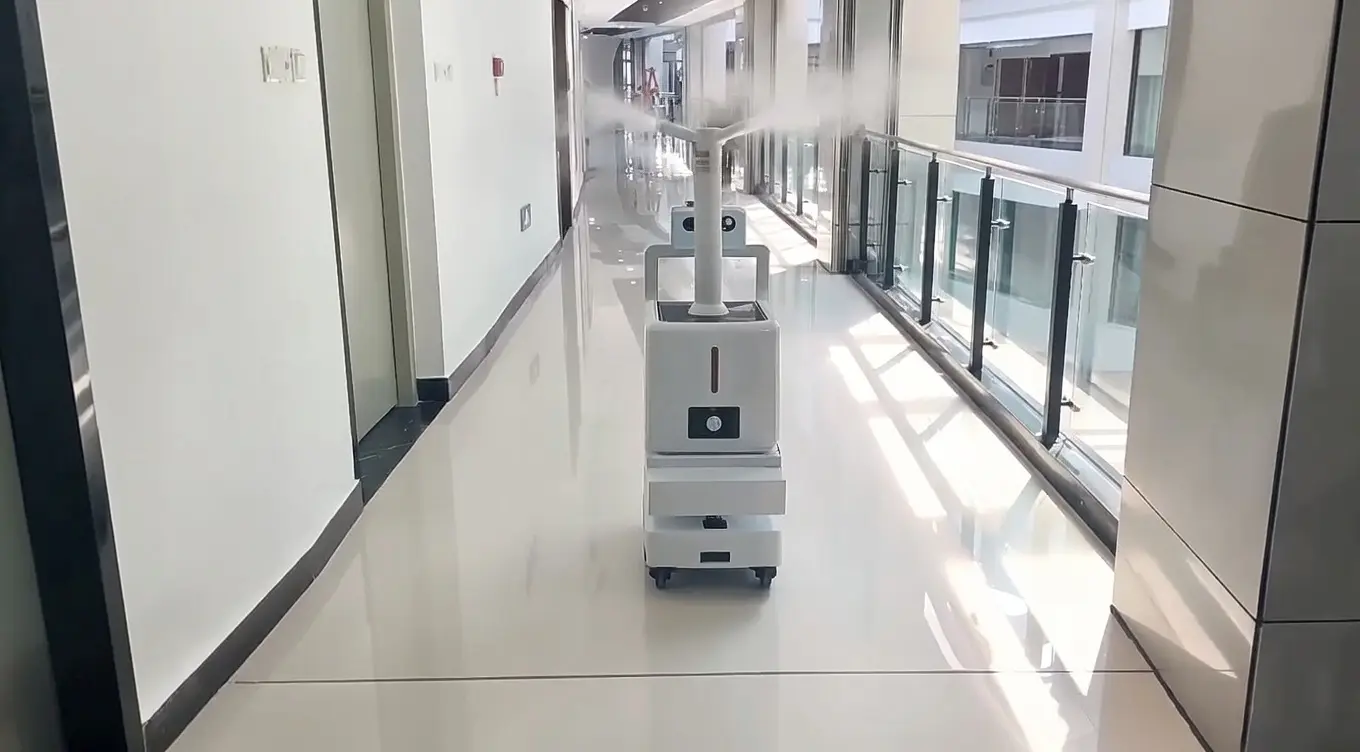
OpenDroids UV-C disinfection robot mid-cycle in an empty patient room

Approximately 1 out of every 31 hospitalized patients is affected by a HAI at any one time, and the estimated cost of HAIs to the United States health care system is $28 to $45 billion annually. Manual terminal cleaning is comprehensive, but less effective EVS staff are under stress and shadowed areas are the most easily overlooked. The Sanitarian then performs a pass of the UV-C disinfection system following the manual cleaning process, using the room-specific dose map instead of a timer.

  • Published UV-C/PX-UV studies report meaningful HAI reductions — one 6-month hospital-wide study measured a 34% drop; another 12-month deployment measured 19.2% with ~$1.2M associated savings (results vary by facility, protocol, and pathogen)
  • Non-compliant surface rates were reduced from 9.3% to 1.2% in one field study following a UV-C pass.
  • Maintains a documentation record of disinfection for each room with a time stamp

ROI

The Financial Case for Hospital Automation

Replacing a single RN who leaves costs the average hospital $61,110 and every 1-point swing in RN turnover moves the average hospital's costs by roughly $289,000-$295,000 a year (NSI 2025 / 2026 reports).

$61,110

Average cost to replace one RN who leaves (NSI 2025)

$289–295k

Annual cost swing per 1% change in RN turnover for the average hospital

$85–$115/hr

Travel/agency RN bill rates in 2026 before overtime premiums

4–10%

Of a nursing shift spent searching for or preparing consumables

MetricBefore OpenDroidsAfter OpenDroidsDifference
Logistics coverageNurses/EVS staff, business hours + on-call24/7 autonomous fleetNights & weekends covered
Cost basisHourly wage + overtime + agency premiumsFixed monthly subscriptionPredictable RaaS cost
Disinfection consistencyManual, variable by shift/staffingScheduled, logged UV-C passDocumented every room

HAI-related costs run into the tens of billions annually nationwide; published UV-C studies have linked deployments to double-digit percentage reductions in HAI incidence. Model your own staffing mix with our free ROI calculator. Calculate your ROI →

Figures shown are based on published industry benchmarks (NSI, Becker's Hospital Review, Nurse.org, McKinsey, CDC, and peer-reviewed UV-C studies). Actual outcomes vary by facility size, wage rates, pathogen mix, and deployment scope. Estimates are not guarantees.

Trust & Standards

Built for Shared Clinical Floors

The hospital robots market is estimated at $2.56B in 2026 and growing at a 14.42% CAGR toward $5.01B by 2031 (Mordor Intelligence) category proof that clinical logistics automation is an established operating layer, not an experiment.

  • 30-day deployment from signed agreement to live hospital fleet
  • RaaS structure no upfront robot hardware purchase
  • Sensor-based navigation designed for shared corridors, elevators, and care areas
  • UV-C disinfection with timestamped room logs for compliance documentation
OpenDroids hospital robot operating alongside clinical staff

Also explore robotics in these industries

Hospital logistics connects to hospitality service floors and warehouse scale material movement. Explore adjacent deployments.

For Operators & Entrepreneurs

Start a Robotics Business

Explore OpenDroids territory partner opportunities across seven industries including healthcare adjacent logistics and facility automation.

View business opportunities →

FAQ

Questions Hospital Operators Ask

Can hospital robots operate in patient rooms and near patients?

Yes. Mobile hospital robots like OpenDroids' fleet use sensor-based obstacle avoidance and are designed to navigate shared corridors, elevators, and patient care areas safely alongside staff and patients. Site specific safety requirements are reviewed during deployment mapping.

Do hospital delivery robots require construction or infrastructure changes?

Generally no. Autonomous mobile robots like OpenDroids' Runner unit are built to work with existing elevators, doors, and hallways rather than requiring dedicated tracks or retrofitted infrastructure.

How much does a hospital robot fleet cost?

Pricing depends on fleet size, use cases, and facility layout. OpenDroids operates on a Robotics-as-a-Service model a fixed monthly subscription rather than a capital purchase. Exact pricing is confirmed during your site assessment.

Can UV-C disinfection robots actually reduce hospital-acquired infections?

Published studies show meaningful results, though outcomes vary by facility and protocol one 12-month hospital deployment measured a 19.2% reduction in HAIs, and a separate 6-month study measured a 34% drop. UV-C robots are best used to complement, not replace, standard manual cleaning.

How long does it take to deploy a robot fleet in a hospital?

OpenDroids deploys fleets in 30 days, covering mapping, integration with elevators and doors, staff training, and go live support.

FCC Compliance · July 2026

Healthcare Robots: FCC-Compliant and US-Assembled

Following the FCC's July 2026 ruling (DA-26-786), all new foreign-produced advanced robotic devices are prohibited from receiving US market authorization. OpenDroids healthcare robots for medication delivery, specimen transport, and disinfection are final-assembled in the United States, qualifying as domestic end products under 48 CFR §25.101(a) exempt from this restriction and available for immediate deployment with no compliance risk.

If you are currently evaluating or using Keenon Robotics (T8 hospital) or foreign-produced hospital delivery robots in your healthcare operation, contact us to discuss a compliant transition to OpenDroids typically live within 30 days.

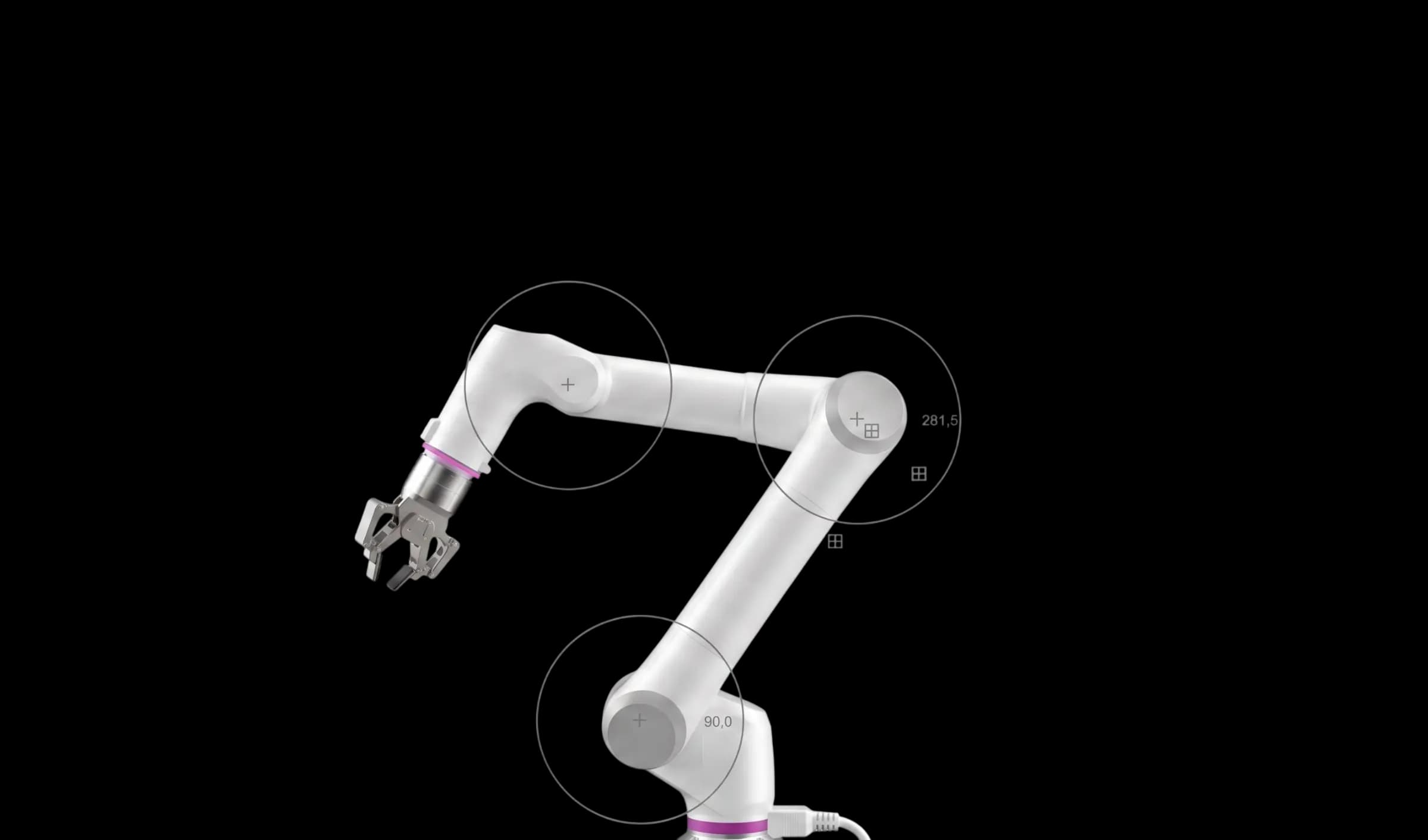
OpenDroids robotic arm — US manufacturing and assembly roadmap

Book a Demo

Your Night Shift Shouldn't Run on Burnout.

OpenDroids deploys a hospital robot fleet logistics runs, clinical telepresence, and UV-C disinfection in 30 days, backed by full hardware, software, and 24/7 support. See exactly where it fits your floor plan and staffing model before you commit to anything.

No commitment. We'll show you the exact ROI for your hospital.

No commitment. We'll show you the exact ROI for your hospital.