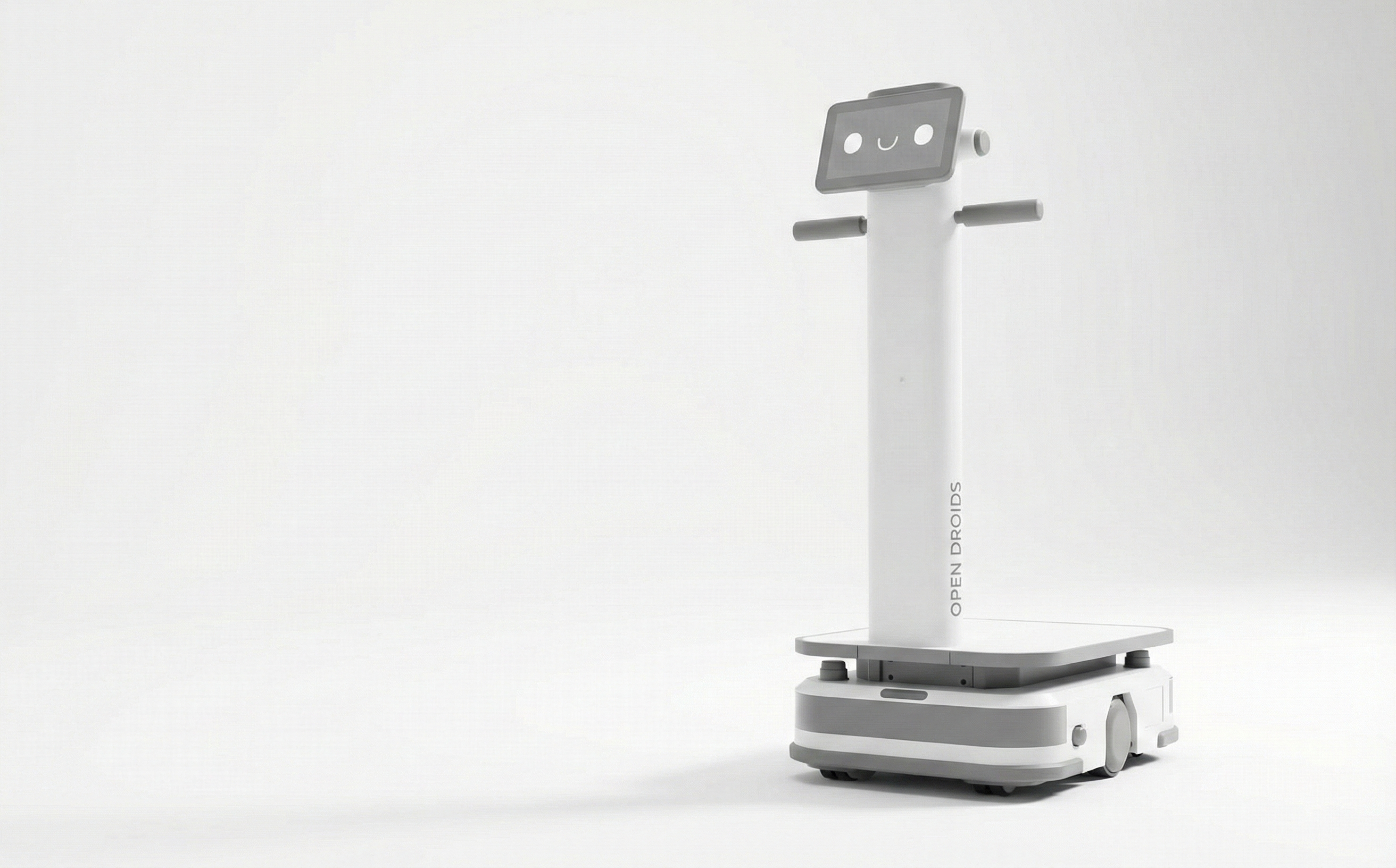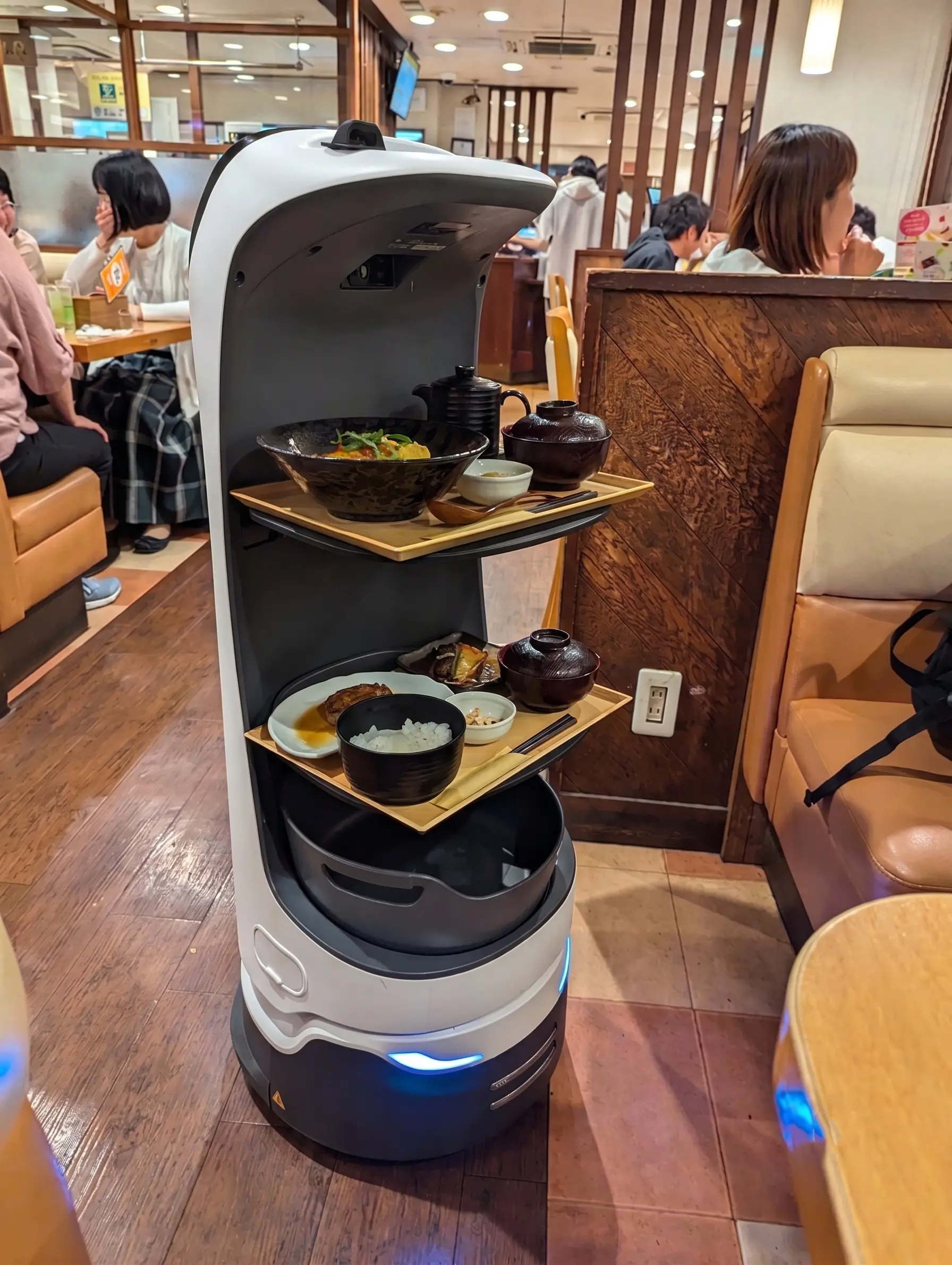
Restaurants
Food delivery robots and kitchen automation on a monthly subscription. No upfront cost. Replaces BellaBot, KettyBot, and other restricted foreign models.
Robots for RestaurantsUS-Based Robotics · Pursuing Domestic End Product Status
OpenDroids is a US-based robotics company actively pursuing final assembly in the United States to qualify as a domestic end product under 48 CFR §25.101(a). We are accepting consultations for businesses affected by the FCC's July 2026 ruling and need a compliant transition path.
The FCC added all foreign-produced advanced robotic devices to its Covered List (DA-26-786). New models from foreign manufacturers can no longer receive the FCC authorization required to be imported, marketed, or sold in the US.
Robots qualifying as US domestic end products under 48 CFR §25.101(a) final assembly in the United States with more than 65% US component cost are fully exempt and can be deployed without restriction.
If your business was evaluating a new foreign-manufactured robot, that purchase path now carries legal risk. OpenDroids is the immediate path to assess a compliant transition.
OpenDroids is headquartered in the United States with NVIDIA Inception and Google DeepMind technology partnerships. We are actively establishing US final assembly operations to qualify as a domestic end product under 48 CFR §25.101(a).
We are currently accepting new client assessments. Contact us to discuss your situation and our compliance timeline. Learn more about our US manufacturing roadmap.
| Robot Brand | Country of Manufacture | New Models After July 28, 2026 | Status |
|---|---|---|---|
| OpenDroids | USA (pursuing US final assembly) | US-based company | contact for compliance status | Pursuing domestic end product status |
| Pudu Robotics (BellaBot, KettyBot) | China (Shenzhen) | Require Conditional Approval from Dept. of War | Restricted |
| Keenon Robotics | China | Require Conditional Approval | Restricted |
| Unitree Robotics | China | Current lineup authorized before July 28* | Existing models only |
| Bear Robotics (Servi) | USA | US company — verify assembly location | Check compliance |
| Savioke (Relay) | USA | US company — verify assembly location | Check compliance |
| LG CLOi (commercial) | South Korea | Foreign-produced — Conditional Approval needed | Restricted |
| Ecovacs (commercial) | China | Require Conditional Approval | Restricted |
*Unitree pre-authorized certain models shortly before the ruling; those specific models may be grandfathered. New Unitree models require Conditional Approval. This table reflects DA-26-786 as of July 28, 2026. Always verify current authorization with your vendor.
Learn more about what the FCC ban meansDeploy OpenDroids robots across these verticals while we complete the domestic end product path with a clear compliance conversation on every assessment call.
Food delivery robots and kitchen automation on a monthly subscription. No upfront cost. Replaces BellaBot, KettyBot, and other restricted foreign models.
Robots for Restaurants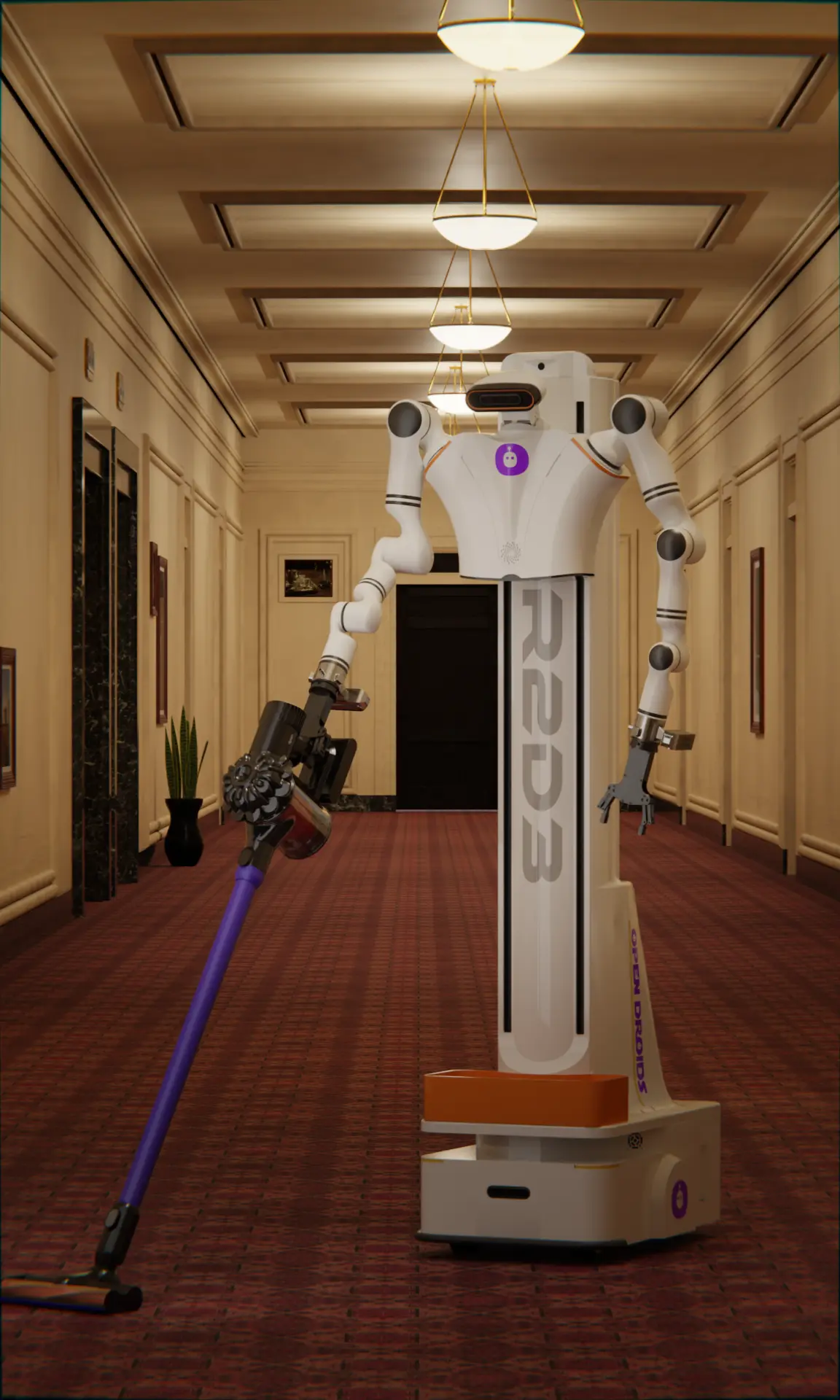
Room service delivery, lobby concierge, linen transport and floor cleaning. US-based alternative for hotels evaluating Keenon or Pudu hospitality robots.
Robots for Hospitality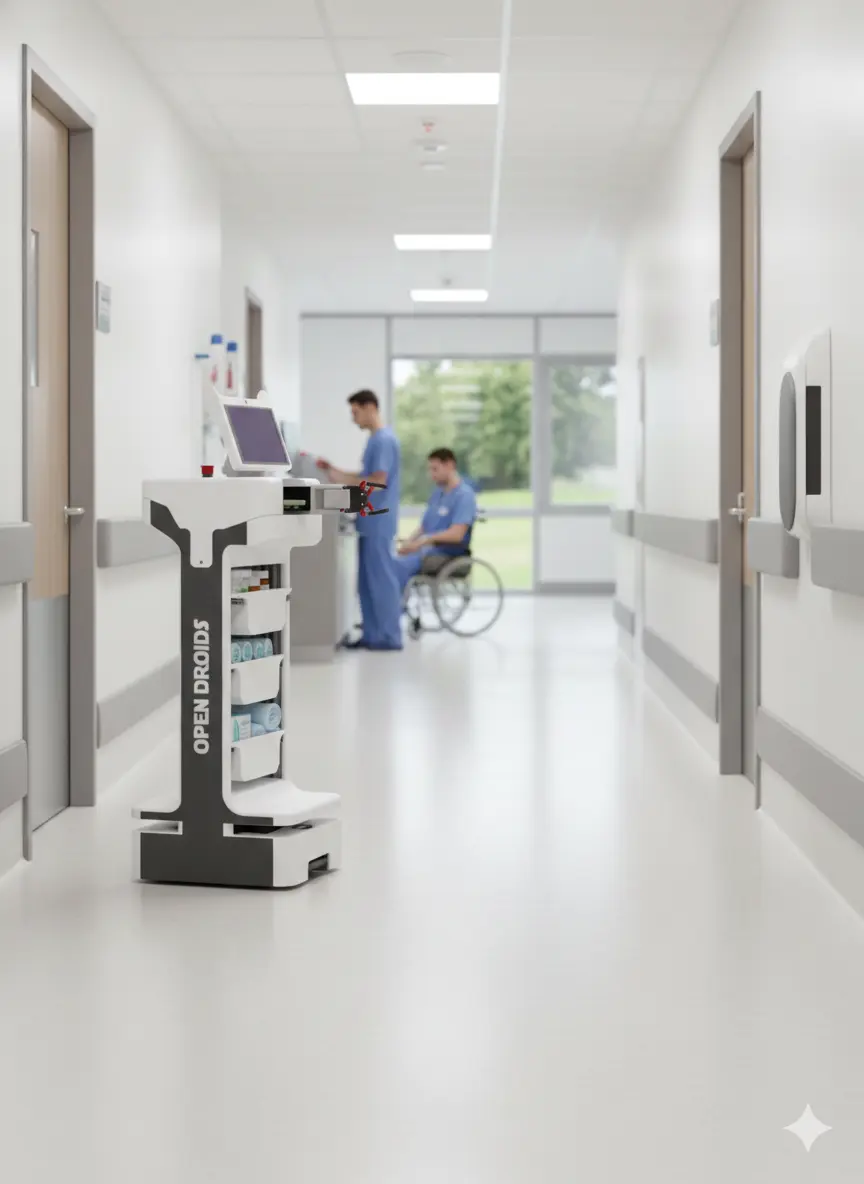
Medication delivery, specimen transport and disinfection for hospital environments. Healthcare-grade cybersecurity with a US-based transition path.
Robots for Healthcare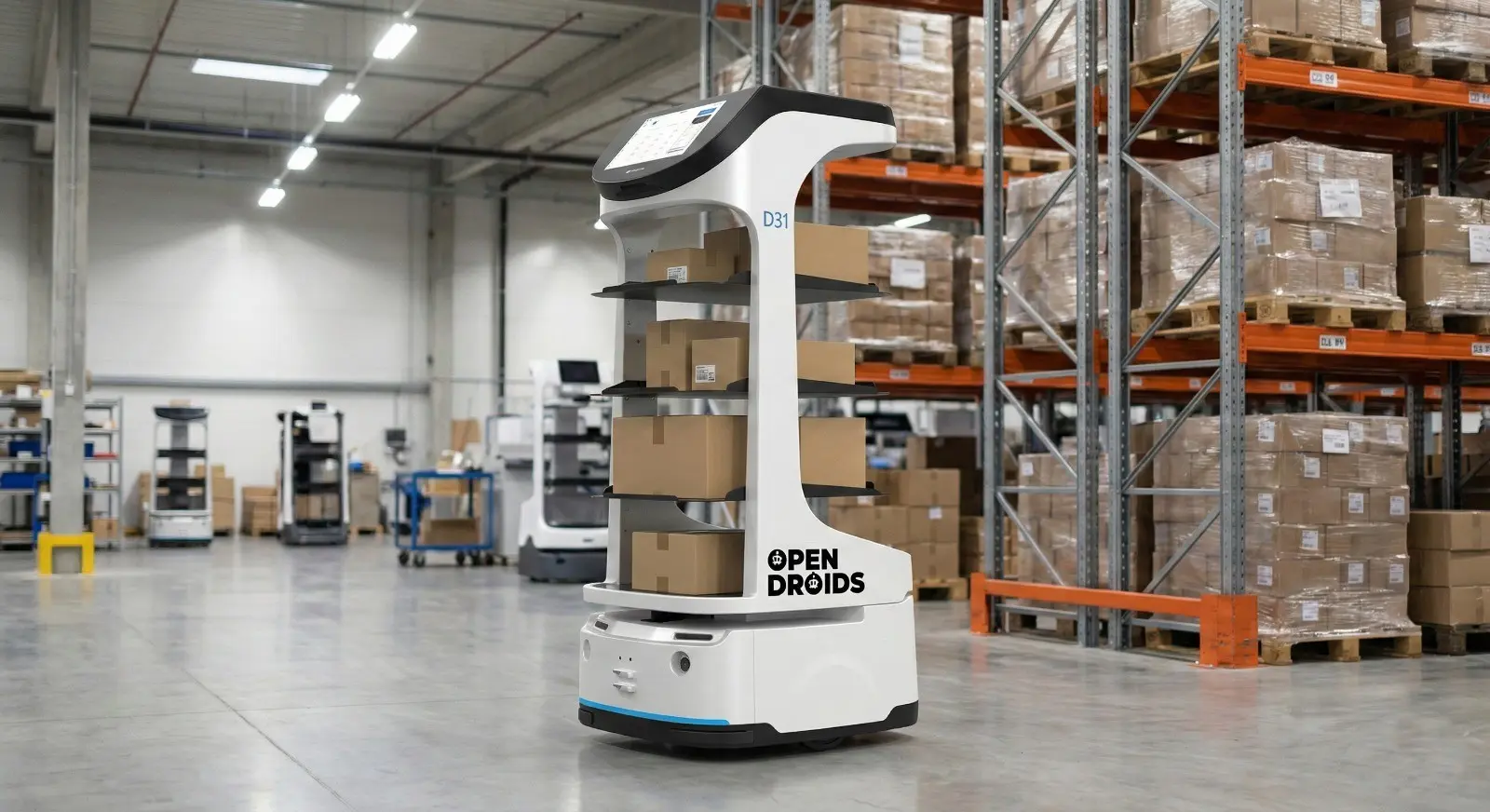
Autonomous mobile robots (AMRs) for picking, putaway, and goods to person workflows with a compliant procurement path after DA-26-786.
Robots for Warehouse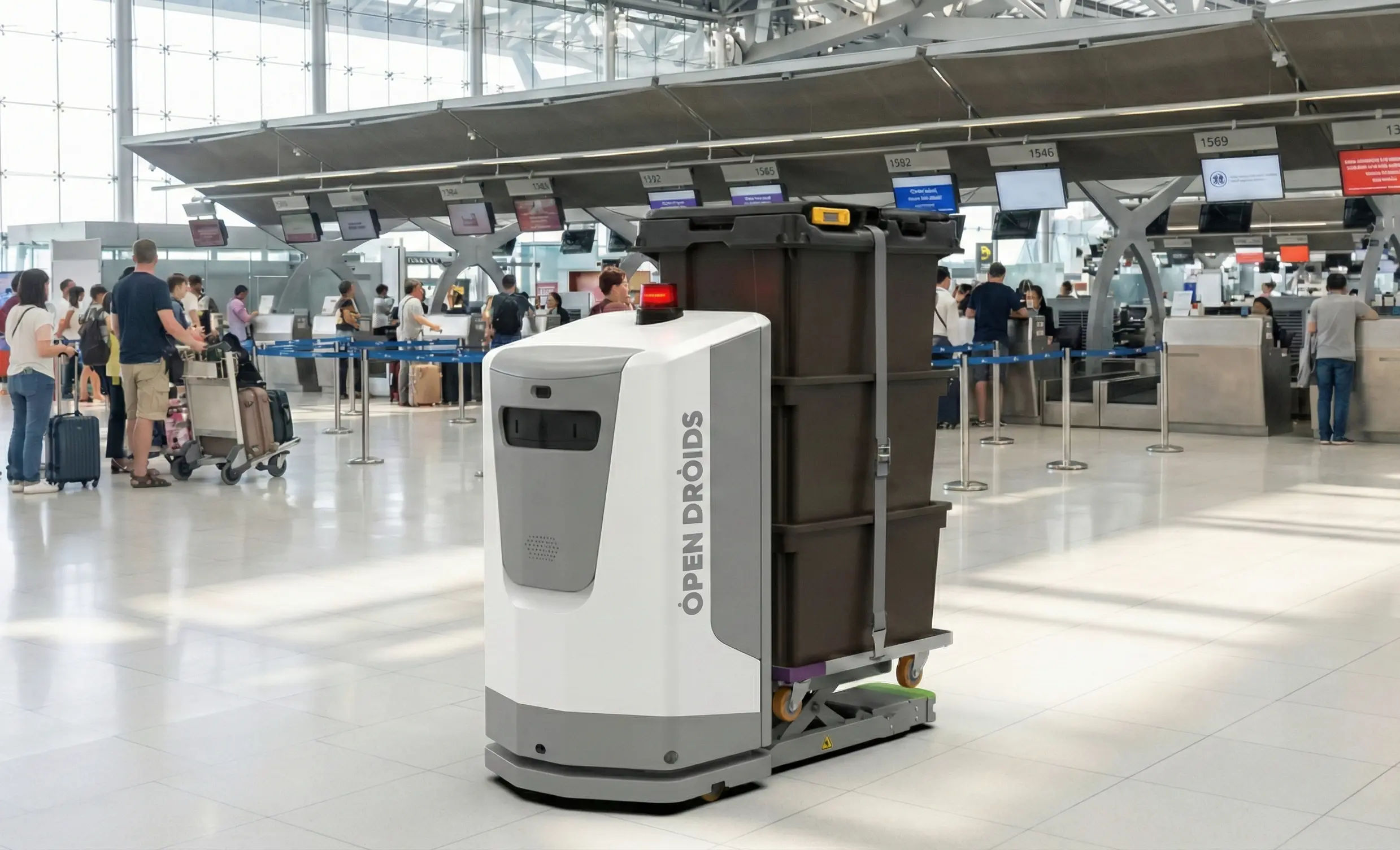
Passenger assistance, terminal cleaning, security patrol and wayfinding robots for transportation facilities.
Robots for Airport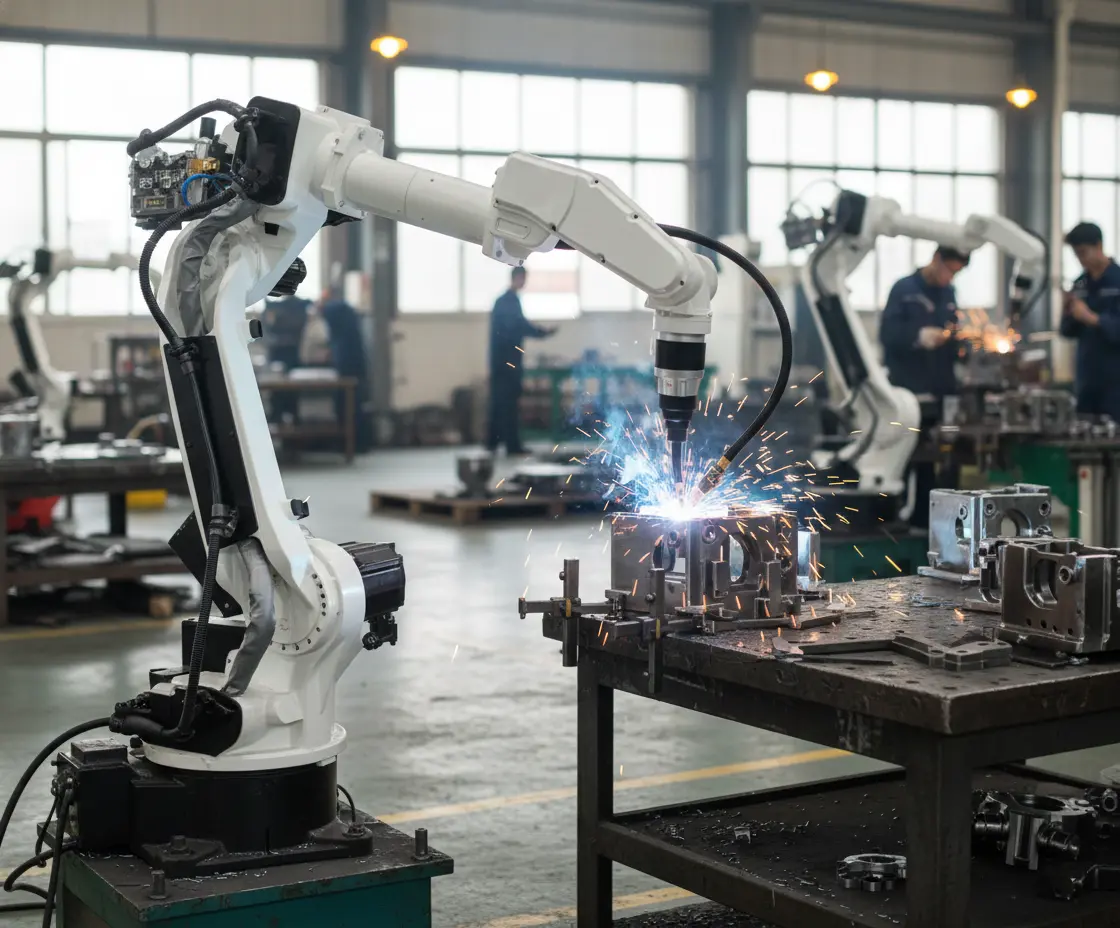
Assembly assist, material handling, quality inspection and line-end automation for operators who need a domestic sourcing path.
Robots for Manufacturing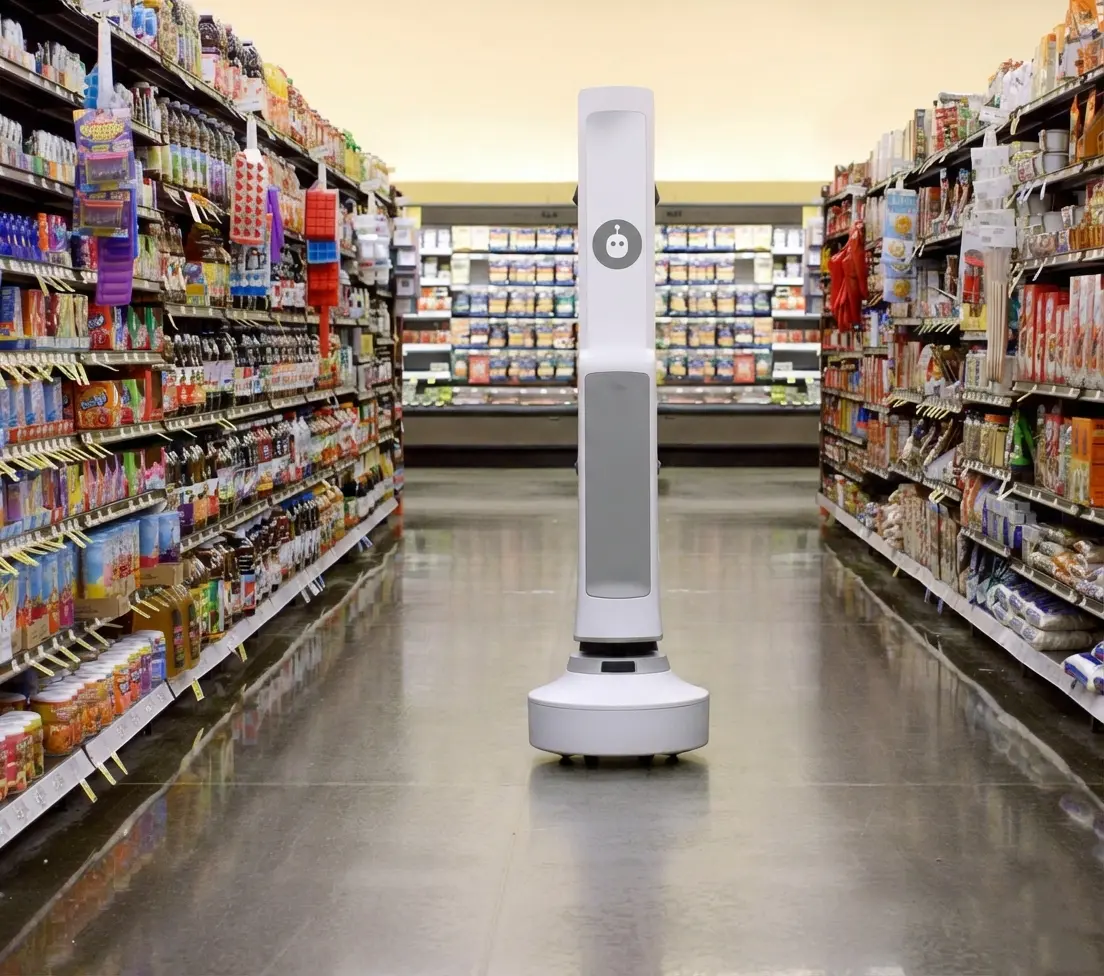
Inventory scanning, shelf audit, stock replenishment and customer assistance robots.
Robots for RetailLong-term advantage
01
Foreign produced robots depend on overseas manufacturing and logistics. A US-based assembly path reduces geopolitical disruption risk, tariff exposure, and lead-time uncertainty.
02
The FCC ruling cited real incidents backdoors in foreign robots giving access to camera feeds, robots transmitting data overseas without owner knowledge. Domestic software and support chains reduce that attack surface.
03
Federal procurement, defense contractors, hospital systems, and regulated-industry operators increasingly require domestic end product sourcing. Building toward that status protects long term eligibility.
04
24/7 monitoring, maintenance, and support from a US-based team. No 12-hour lag waiting for an overseas support center.
05
Foreign manufacturers operating under Conditional Approval face an uncertain future. When approval expires or is denied, you're on a platform with no upgrade path. A US assembly strategy is built for permanence not a temporary waiver.
Commercial model
OpenDroids gives Robotics as a Service via a monthly subscription which comes without any initial purchase of hardware. You won't need to make any capital expenditure, and you won't see depreciation.
01
Your monthly subscription covers the robot, software, maintenance, repairs, and 24/7 support. No CapEx on your balance sheet.
02
One number per month. No surprise service fees. Contact us for industry-specific estimates. Scale up or down as operations change.
03
Site survey, configuration, POS/WMS/property integration, and staff training included. Most clients are live in under 30 days.
04
No punishing multi year lock-in. We earn your business every month by making the robots work.
Transition path
If you were in discussions with a foreign robot vendor when the FCC ruling dropped, you are not starting from zero. Your evaluation work floor mapping, workflow analysis, ROI calculation is still valid. The hardware decision just changed.
OpenDroids can assess your requirements and provide a deployment plan within one week. Most clients switching from a foreign robot evaluation are live in under 30 days.
Start your assessmentHow it works
Step 01
Tell us your industry, location, floor plan size, and workflows. We confirm which robots fit and give a monthly cost estimate on the call.
Step 02
We map your floor plan, configure robots to your environment, and integrate with your POS, WMS, or property system.
Step 03
Robots go live. Staff get a half-day training. We monitor remotely from day one with a direct line to US-based support.
Credibility
As featured in
Mashable · CNET · TechCrunch · The Robot Report · MSN · Yahoo
Technology partnerships
NVIDIA Inception Program · Google DeepMind
Backed by
Tether · DNA Fund · Percival VC · Blockchain Founders Fund · Welara
OpenDroids is a US-based robotics company actively pursuing final assembly in the United States to qualify as a domestic end product under 48 CFR §25.101(a). We are accepting consultations for businesses affected by the FCC's July 2026 ruling and need a compliant transition path. Contact us to discuss your situation and our compliance timeline.
Under 48 CFR §25.101(a), a domestic end product requires final assembly in the United States with more than 65% US component cost. Robots that meet this threshold are exempt from the FCC's July 28, 2026 restrictions on foreign-produced advanced robotic devices. OpenDroids is working toward this status for its commercial fleet.
Yes. OpenDroids provides an assessment and migration path for businesses currently using or evaluating Pudu, Keenon, or other foreign-manufactured service robots. We configure robots to match your existing workflow, POS or WMS integrations, and floor plan.
OpenDroids operates on a Robotics as a Service (RaaS) monthly subscription model. There is no upfront hardware purchase. Monthly subscriptions include hardware, software, maintenance, and 24/7 support. Contact us for industry-specific pricing.
OpenDroids can typically deploy service robots in 30 days or less. This includes site survey, robot configuration, system integration, and staff training. We are currently accepting new deployments across all US markets.
OpenDroids deploys service robots in restaurants, hotels and hospitality venues, hospitals and healthcare facilities, warehouses and fulfillment centers, airports, manufacturing facilities, and retail environments.
They're U.S. companies, but compliance depends on final assembly location and component sourcing, not headquarters location alone. Verify current assembly location and FCC authorization status directly with each vendor, since this can change.
You're not required to remove or replace it; the ban applies only to new models seeking FCC authorization after July 28, 2026. Existing authorized units can continue operating, but future upgrades to newer models from those brands may be restricted.
Partner opportunity
The July 2026 ban opened a protected market for US-assembled service robots. See how OpenDroids partners capture that demand.
One 30-minute call. We map your requirements, give a monthly cost estimate, and walk through a US-based transition path after DA-26-786.
No commitment. We'll tell you which robots fit and what they cost on the call.
Book a free 30-minute assessmentRead the full FCC ruling breakdown
© 2026 Open Droids. All rights reserved.