Warehouse Automation · RaaS

Robots for Warehouse Automation that Pay for Themselves in Months, Not Years.

OpenDroids designs, builds, and operates autonomous robots for picking, transport, sorting, and inventory monitoring deployed in your facility in 30 days, with zero hardware ownership and 24/7 support included.

49%

Annual Turnover in Warehouse Roles

4.8

Injuries per 100 Workers

$27.5B

US Warehouse Automation Market

18–24 mo

Typical AMR Payback

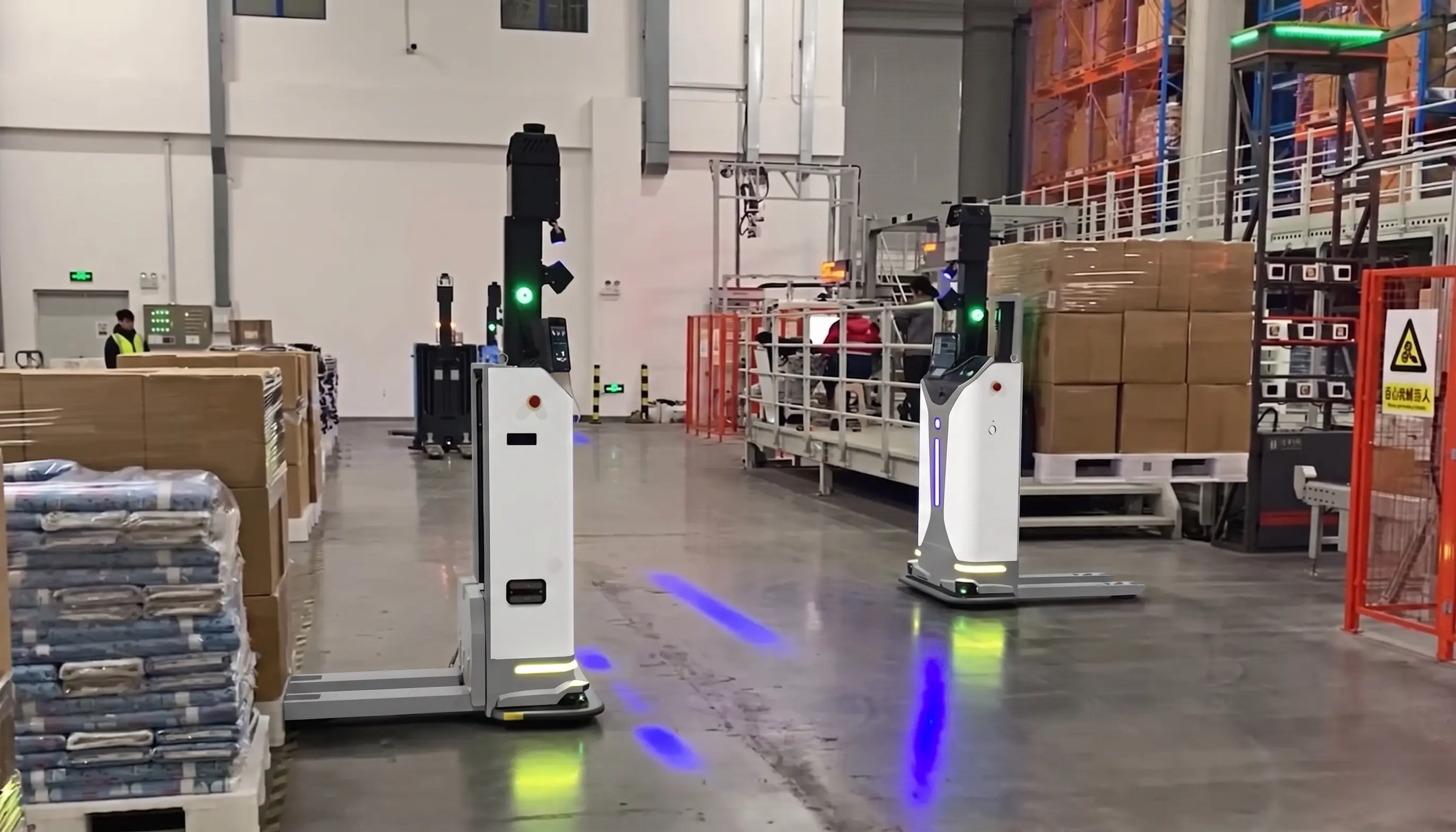
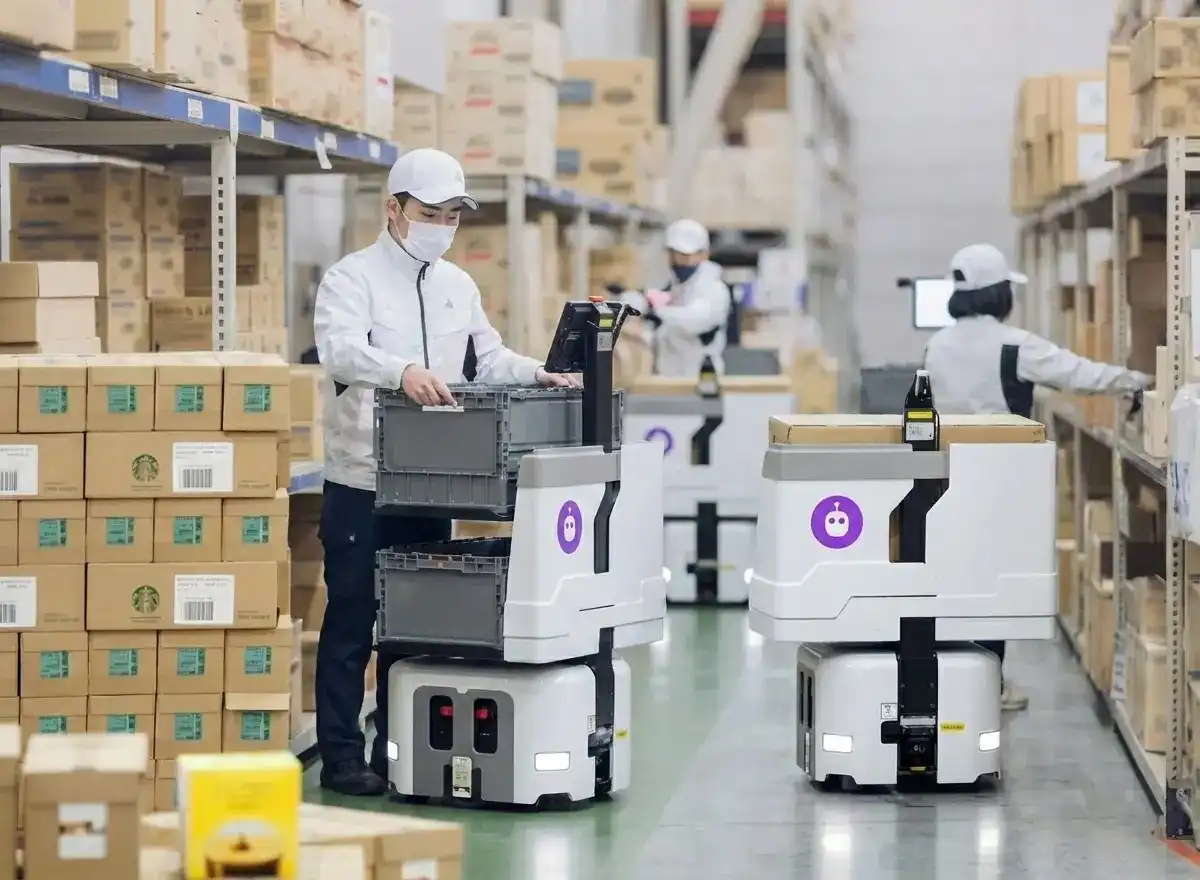
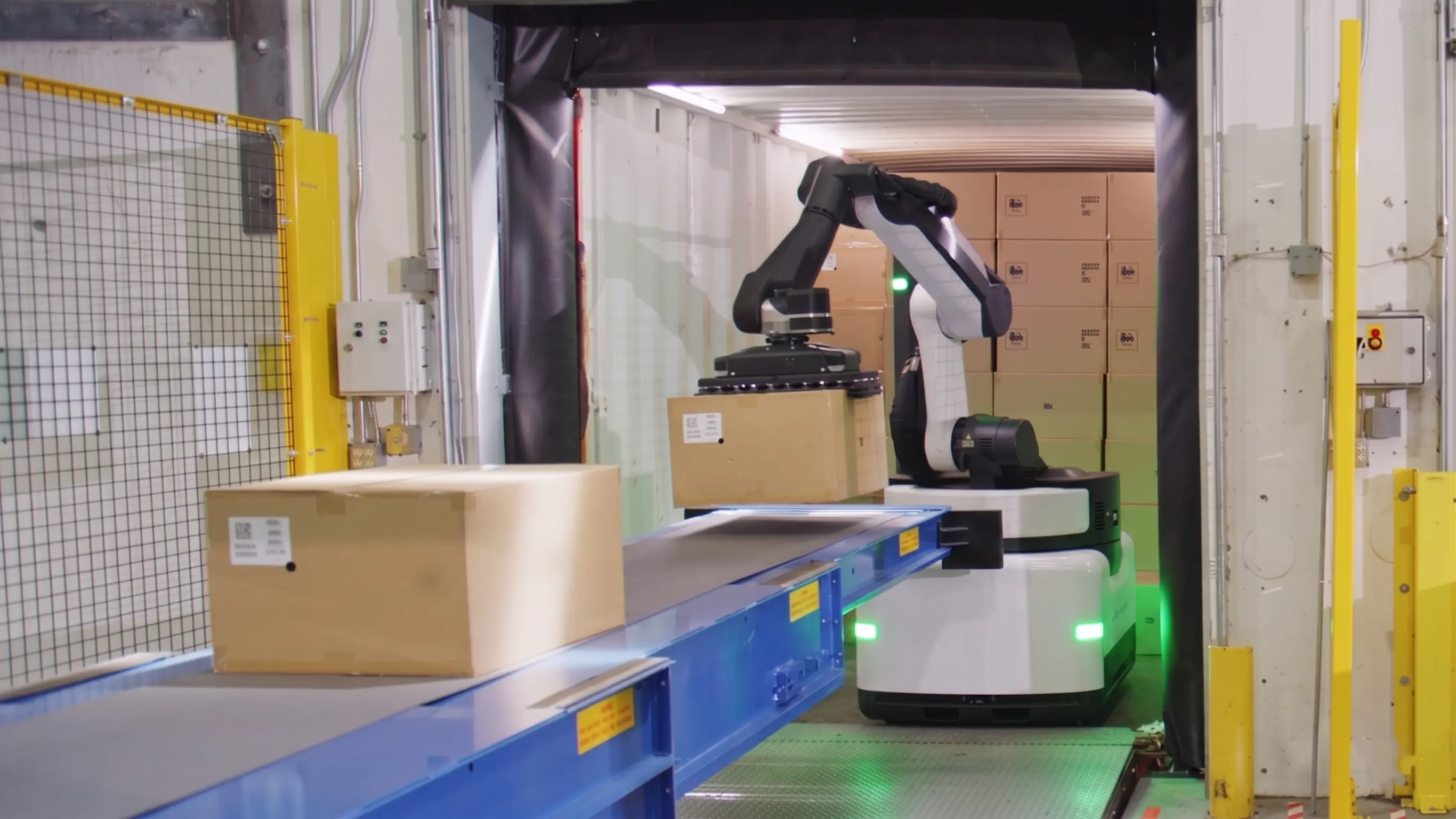
OpenDroids AMR units operating in an active distribution warehouse

AMR-Assisted Picking

$0.15–$0.25

per pick vs. $0.35–$0.55 manual

Stop the Turnover Bleed

In a warehouse, 49% of the jobs change hands within one year; operators are always looking to hire and retrain. Don't worry, robots don't quit, don't no show and don't need a six week ramp-up.

Lower Injury Exposure

Warehousing has an almost double the average all-industry rate of injuries, primarily caused by repetitive lifting, forklift usage and overexertion. OpenDroids robots take on the most dangerous repetitive lifting and moving jobs.

Cost Per Pick, Not Cost Per Hour

The cost of manual picking is approximately $0.35 to $0.55/pick, while AMR-assisted picking reduces the cost by 50 percent to $0.15 to $0.25/pick. No payment for idle time, shift premium or overtime.

Scale Without a Hiring Sprint

Scale up for peak season – do not race on temp staff shifts that disappear as soon as the business slows down.

Four Workflows. One Fully Autonomous Platform.

Picking, pallet transport, sortation, and overnight monitoring these are major warehouse functions typically linked to the highest labor costs and injury rates.

Picking & Fulfillment

Picking & Order Fulfillment
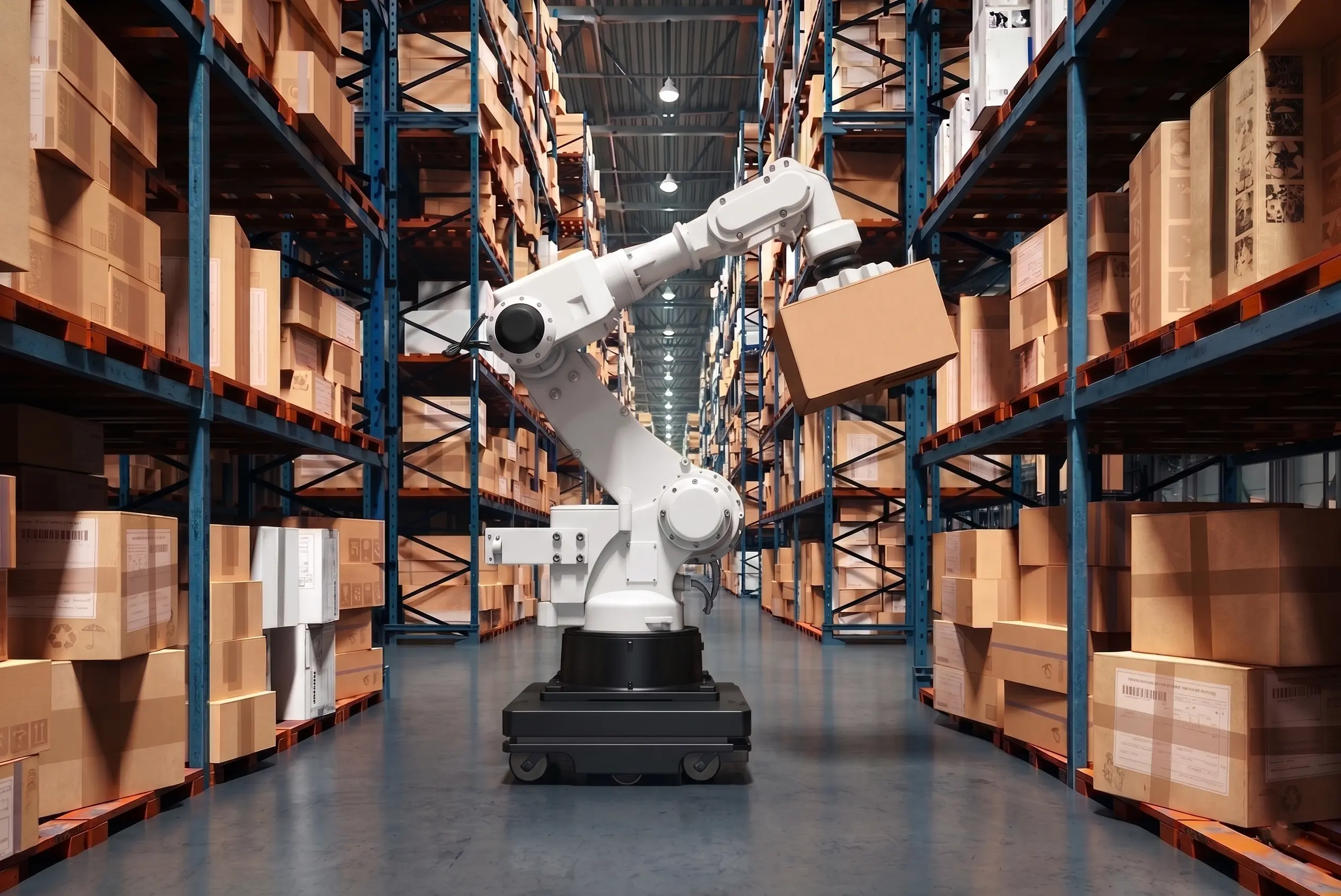
OpenDroids picking AMR at a racking aisle with a worker scanning an item from the robot tote

Walking the warehouse floor is the silent killer of productivity for order pickers. A great deal of their time is spent walking, not picking. And in facilities with high turnover, every new employee is a pickle efficiency zero! OpenDroids AMRs bring the inventory directly to the picker, instead of constantly sending the picker to the inventory. This way, travel time is eliminated and throughput of each shift is kept at a consistent level, not only the veteran one.

  • 2–3× increase in picks per hour with AMR-assisted workflows vs. manual cart-based picking
  • Facilities moving from ~200 picks/hour/worker to 400–650 picks/hour/worker with robot assistance
  • Cost per pick reduced from $0.35–$0.55 (manual) to $0.15–$0.25 (AMR-assisted)
Pallet Transport

Internal Pallet & Tugger Transport

OpenDroids tugger AMR pulling a loaded cart train down a warehouse aisle

Transporting pallets to and from receiving, storage, and staging areas is repetitive, forklift-intensive work, and one of the activities incurring the most injuries on the warehouse floor forklift injuries alone have been estimated at 35,000 to 62,000 annually in the U.S. OpenDroids pallet transport robots can perform fixed-route and dynamic pallet moves without a forklift operator being involved in every trip.

  • Removes the highest-frequency forklift trips from human operators, reducing exposure to the leading cause of warehouse injury
  • AMR pallet/tugger payback typically inside 18-24 months
  • Frees forklift certified staff for exception-handling and complex moves instead of repetitive point-to-point runs

Sortation

Sortation & Returns Processing

OpenDroids robot routing totes toward labeled sortation chutes in a warehouse

Returns and sortation are the biggest contributors to warehousing cost increases at the moment with the rise in e-commerce. Plus, they generally remain the last areas to receive automation funding. With robot assistance in sortation, the items marked as misrouted and the returns will not be left in a pile at the end of the shift.

  • Returns processing is forecast as one of the fastest-growing automation segments through the early 2030s
  • Order accuracy improvements from automated sortation can reduce returns handling expense by up to 15%
  • Picking and packing functions account for roughly a third of warehouse automation spend the highest of any single function

Night Shift

Night-Shift & Off-Hours Inventory Monitoring

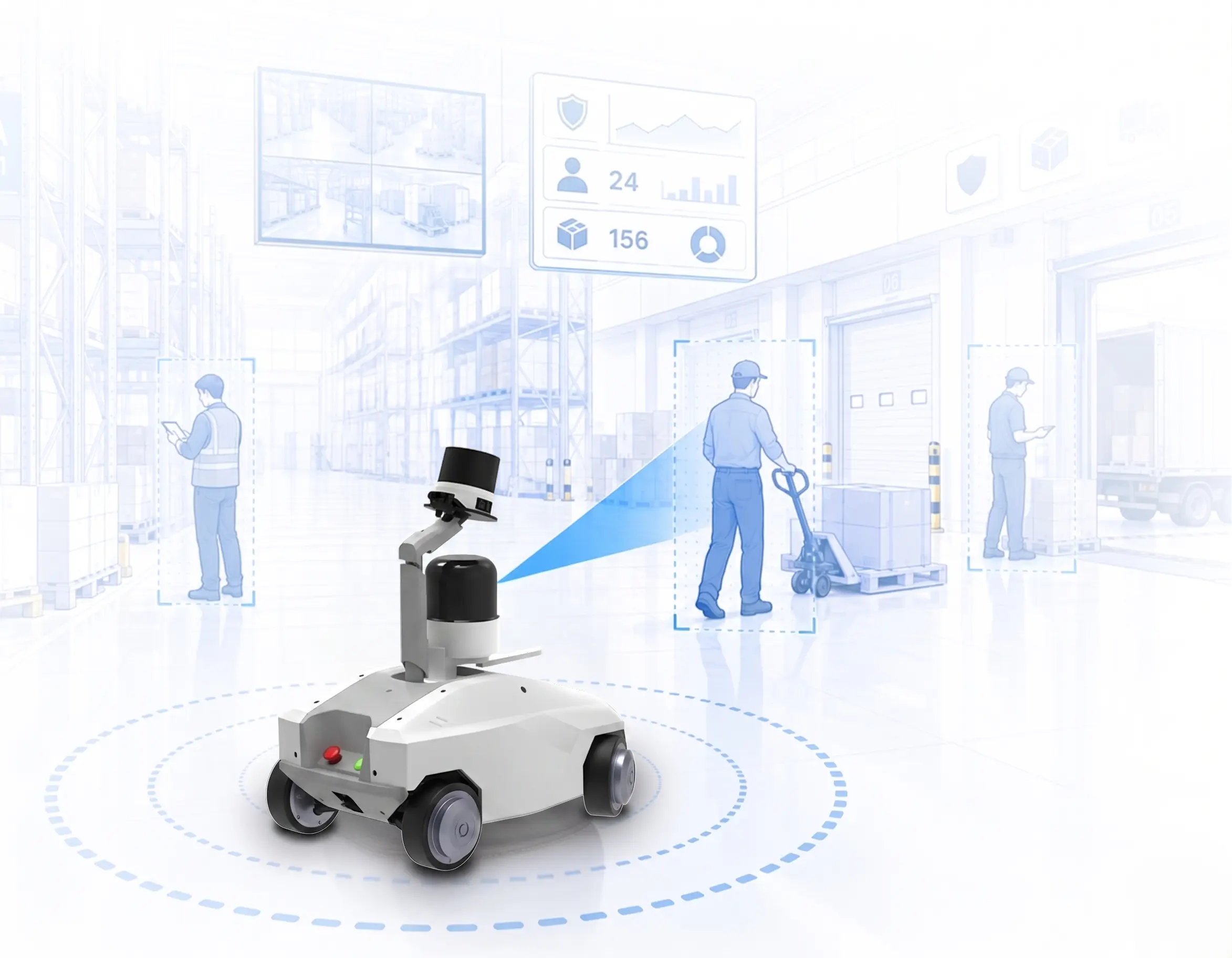
OpenDroids monitoring robot in a dim warehouse aisle during night shift

Statistics show that those who work at night have an injury rate which is around 40% higher than those who work the day shift. What's more, together with the overnight window, the night shift is the least desirable time of day to staff in most businesses. By using a robot for monitoring/inventory, continuous cycle counts and surface-level security sweeps can be done during the night shift without the need to increase the headcount for the shift that is already the toughest to staff.

  • Night shifts post the highest injury differential of any shift window 40% higher than day shift
  • Continuous off-hours cycle counting reduces reliance on dedicated overnight labor for routine inventory checks
  • Allows day-shift staff to focus on picking and shipping priorities instead of inventory reconciliation

ROI

The Financial Case

Labor consistently eats 50-70% of total warehousing budgets, and U.S. warehouse wages have climbed into the $22-28/hour range before accounting for the cost of the 49% of staff who leave within a year.

18–24 mo

Average AMR payback; multi-shift operations see 8–14 months

150–300%

5-year ROI when labor savings, error reduction, and injury-cost reduction are counted

$0.15–$0.25

AMR-assisted cost per pick vs. $0.35–$0.55 manual

25–40%

Reduction in direct labor cost per unit in mature AMR deployments

50–70%

Labor share of total warehousing budgets before automation

$22–28/hr

Average US warehouse wages before turnover and overtime costs

MetricBefore OpenDroidsAfter OpenDroidsDifference
Cost per pick$0.35–$0.55$0.15–$0.25Up to 55% lower
Time to payback8–24 monthsFaster on multi-shift ops

Most facilities reach positive ROI within 8–24 months depending on shift structure and order volume facilities running 24/7 multi-shift operations see the fastest payback. Calculate your ROI →

ROI figures are industry benchmarks from third-party research (BLS, OSHA, AMR market reports). Actual results vary by facility size, labor rates, shift structure, and operational configuration. Estimates are not guarantees.

Trust & Standards

Built for 24/7 Industrial Environments

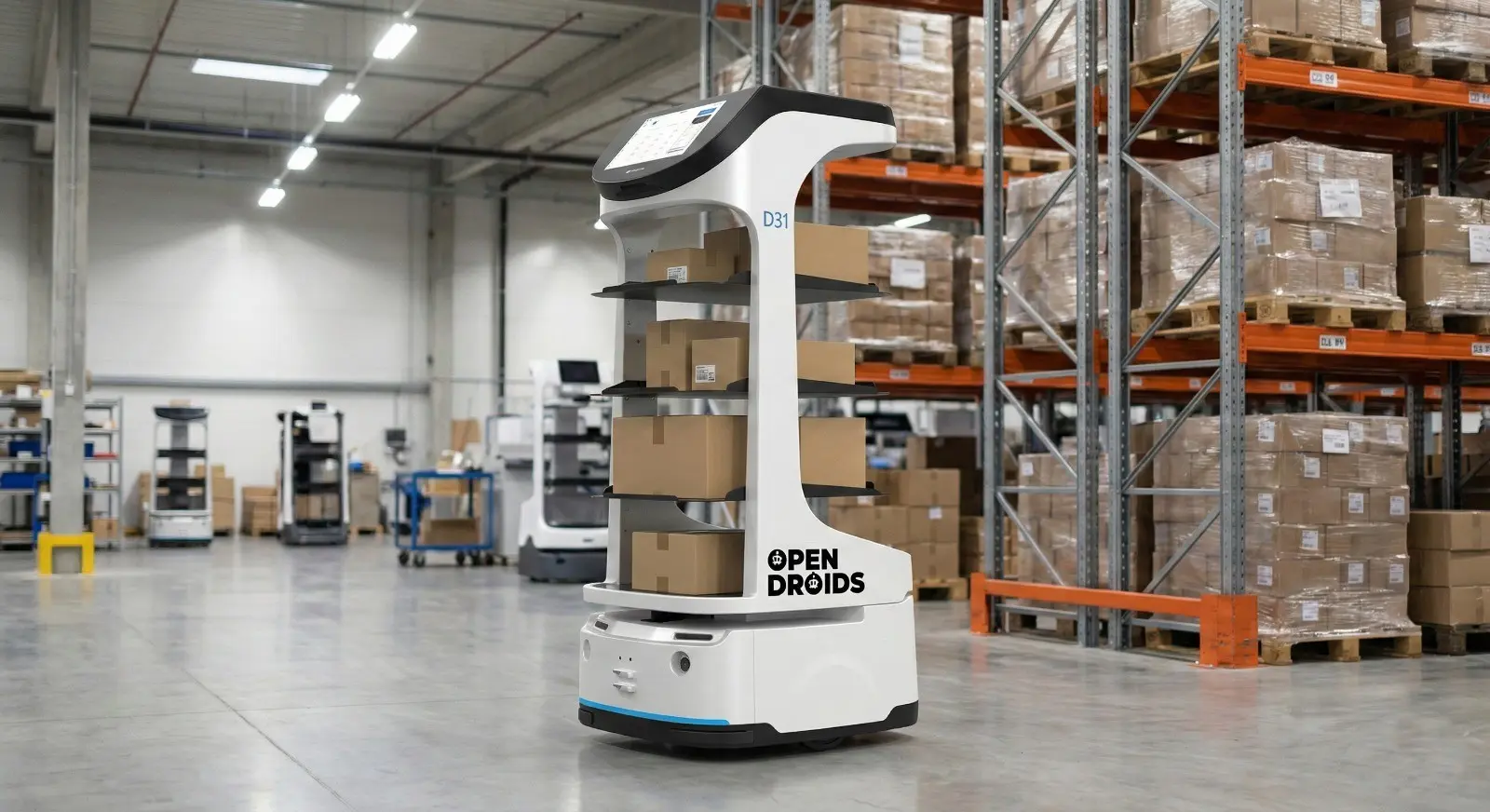
OpenDroids warehouse robots are designed for shared human-robot floor traffic, multi shift operations, and integration with the systems you already run not a greenfield rebuild.

  • Integrates with existing WMS and standard racking/aisle configurations
  • Built for multi-shift, 24/7 industrial warehouse operations
  • Mobile robot safety designed for shared human-robot floor traffic
  • 30-day deployment including mapping, integration, and staff onboarding
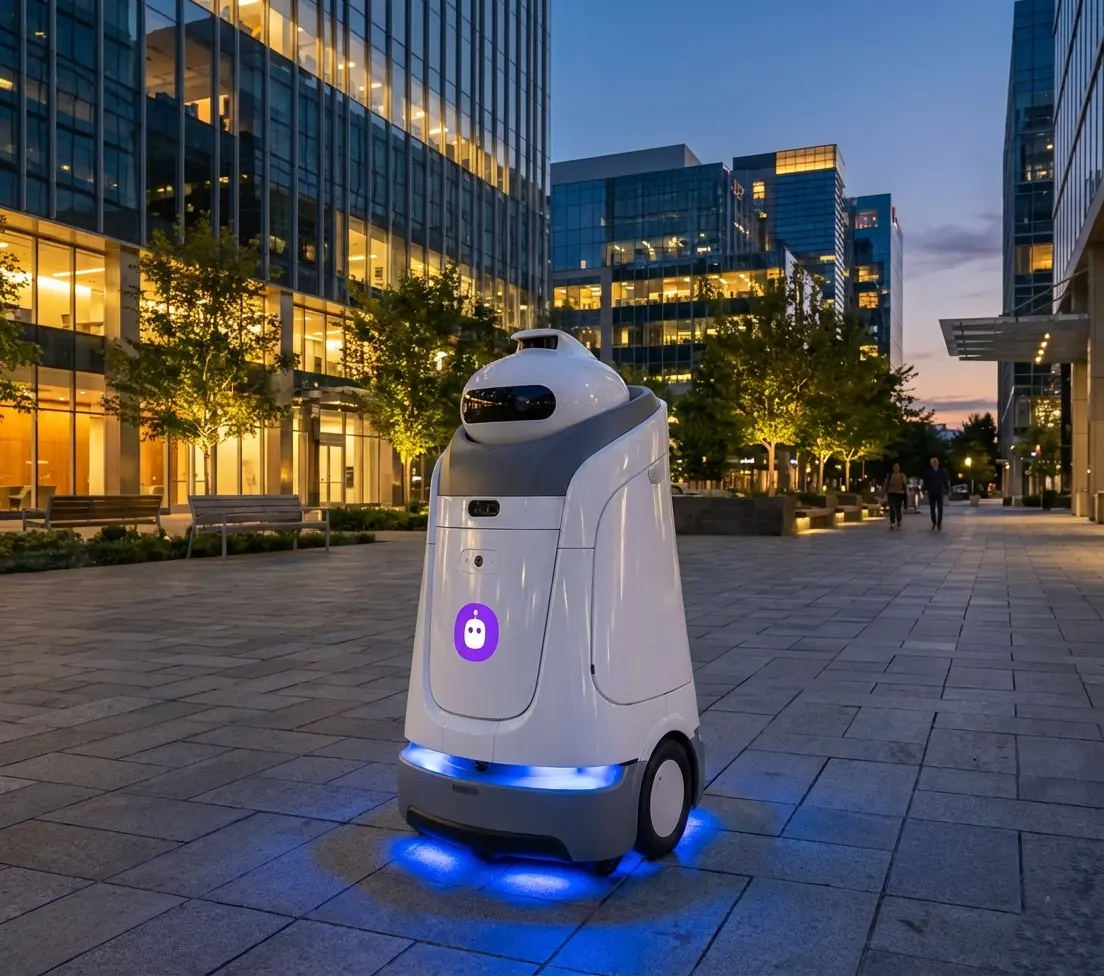
OpenDroids autonomous mobile robot in a warehouse aisle

Also explore robotics in these industries

Warehouse automation is one piece of a broader robotics stack. See how OpenDroids deploys across adjacent facility types.

For Operators & Entrepreneurs

Start Your Warehouse Robot Business

Own a territory in US warehouse automation. OpenDroids partners earn recurring revenue deploying picking, transport, and sortation robots — no hardware purchase, full support included.

View the business playbook →

FAQ

Questions Warehouse Operators Ask

How much does a warehouse robot cost?

AMR pricing typically ranges from $25,000-$50,000 per unit for standard transport robots, with heavier duty or precision units running $85,000–$250,000. OpenDroids' RaaS model removes the upfront purchase entirely you pay a monthly subscription that includes hardware, software, maintenance, and support.

How long does it take to deploy warehouse robots?

OpenDroids deploys within 30 days of contract signing, covering site assessment, facility mapping, integration with your existing workflow, and staff onboarding. Most AMR vendors quote pilot programs of 90-180 days before full deployment; OpenDroids' RaaS model is built to move faster.

What's the ROI on warehouse automation robots?

Most AMR deployments pay for themselves in 18-24 months, with multi-shift, high-volume facilities seeing payback in as little as 8-14 months. Full 5-year ROI on mature deployments runs 150-300% once labor savings, error reduction, and injury-cost reduction are factored in.

Will robots replace my warehouse staff?

No, robots take over the highest-turnover, highest-injury, most repetitive tasks (transport, repetitive picking runs, overnight monitoring) so your existing staff can focus on exceptions, quality control, and tasks that require judgment. Most operators redeploy staff rather than cut headcount, especially given how hard warehouse roles are to fill.

Do warehouse robots work with my existing WMS and racking?

Yes. OpenDroids robots are built to integrate with existing warehouse management systems and standard racking/aisle configurations no greenfield rebuild required. Facility prep (clear aisles, Wi-Fi coverage, flooring) is assessed during the 30-day deployment window.

Book a Demo

Your Next Hire Doesn't Have to Be Human

Warehouse turnover costs roughly $18,600 per departing employee in recruiting and retraining, and injury rates run nearly double the industry average. OpenDroids robots take on the highest turnover, highest-injury tasks deployed in 30 days, no hardware to own.

Talk to a Robotics Specialist

No commitment. We'll show you the exact ROI for your warehouse.

No commitment. We'll show you the exact ROI for your warehouse.