What events actually occurred on the 28th July 2026
Three days ago, the United States government made one of the most important policy decisions related to technology in recent history and most companies that currently use or intend to employ service robots in their operations are still unaware of it. The Public Safety and Homeland Security Bureau of the Federal Communications Commission issued the public notice DA-26-786, and announced inclusion of all foreign-made advanced robotic systems in the Covered List the government's Table of Equipment and Services Access.
You might be familiar with the Covered List from earlier entries: Huawei, ZTE, Hikvision, and most recently, foreign-made UAVs. Advanced robots fall under this umbrella as well.
So, what that means in a more practical context: new foreign-manufactured robot designs are precluded from obtaining FCC equipment authorizations. Without an FCC equipment authorization, such robots are not allowed to be brought into America or sold here.
The decision was based on a National Security Determination issued July 27, 2026 by an interagency group convened by the White House, that found foreign-manufactured advanced robotic equipment poses two particular risks:
- Supply chain vulnerability — using Asian robot manufacturers causes economic as well as national security concern if supply chains are broken
- Cybersecurity threat — robots have LiDAR, cameras, and a network connection, and can perform reconnaissance on important infrastructure, transmit data out of the country, or be taken over by actors from outside the country
The cited determination referred to actual incidents including one in 2026 where a security vulnerability let a single researcher remotely control 7,000 robots in people's homes worldwide, a backdoor built into a foreign designed quadruped that allowed camera feeds to be accessed, and a humanoid robot that was hacked and spread to other robots on the same network.
Precisely what robots are included within the scope
The FCC's language defining "advanced robotic device" is certain. A robot is considered a prohibited advanced robotic device if:
- It is a mechanical mobile device which can move, navigate, or cruise on the ground
- It functions at a distance from a human operator
- The weight of the robot with its docking station exceeds 4.4 lbs (2 kg)
- It has an environment perception element (camera, LiDAR, sonar)
- A working network is available (WiFi, Bluetooth, cellular, or satellite at 200kbps+)
- It executes software that guides its autonomous navigation either locally or remotely
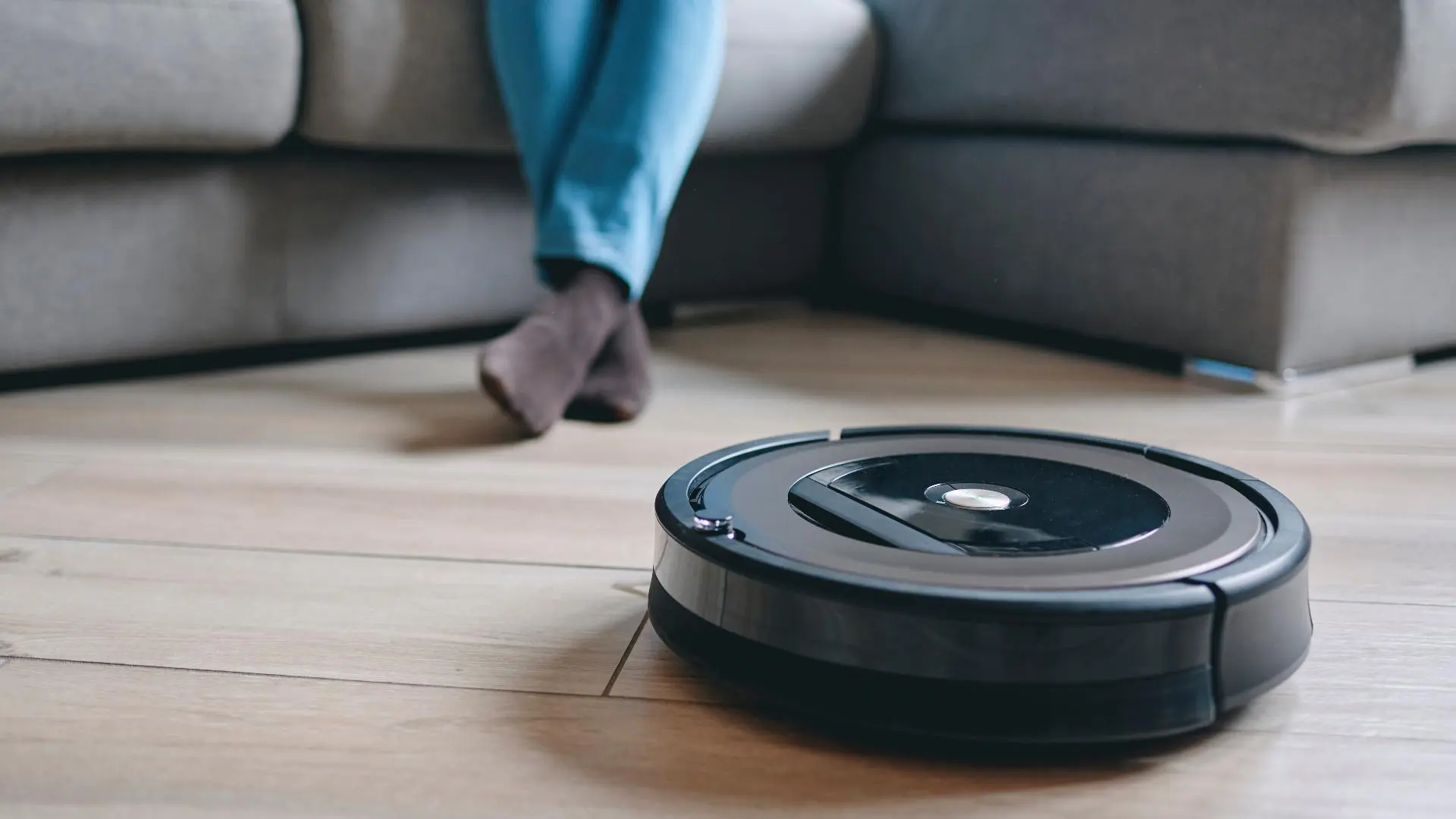
This definition captures almost all commercially available service robots offered in the US food delivery robots, hotel room service robots, hospital delivery and sterilization robots, warehouse autonomous mobile robots (AMRs), and airport assistance robots.
The most common brands directly affected by new model restrictions:
| Brand | Country | Products Affected |
|---|---|---|
| Pudu Robotics | China (Shenzhen) | BellaBot, KettyBot, FlashBot, CC1 |
| Keenon Robotics | China | T9, T8, W3, DINERBOT |
| Unitree Robotics | China | Go2, H1, B2, G1 |
| Ecovacs (commercial) | China | Commercial cleaning fleet |
| Dreame (commercial) | China | Commercial models |
What the ban does NOT cover:
- Robots that already received FCC equipment authorization before July 28, 2026 these can continue to be sold, imported, and used
- Fixed, stationary robots (robotic arms, SCARA robots) — these are explicitly excluded
- Medical devices classified under the FDA's 510(k) process
- Connected vehicles and uncrewed aircraft (covered under separate rules)
- Robots that qualify as US domestic end products under 48 CFR §25.101(a)
The implications for your industry
Restaurants
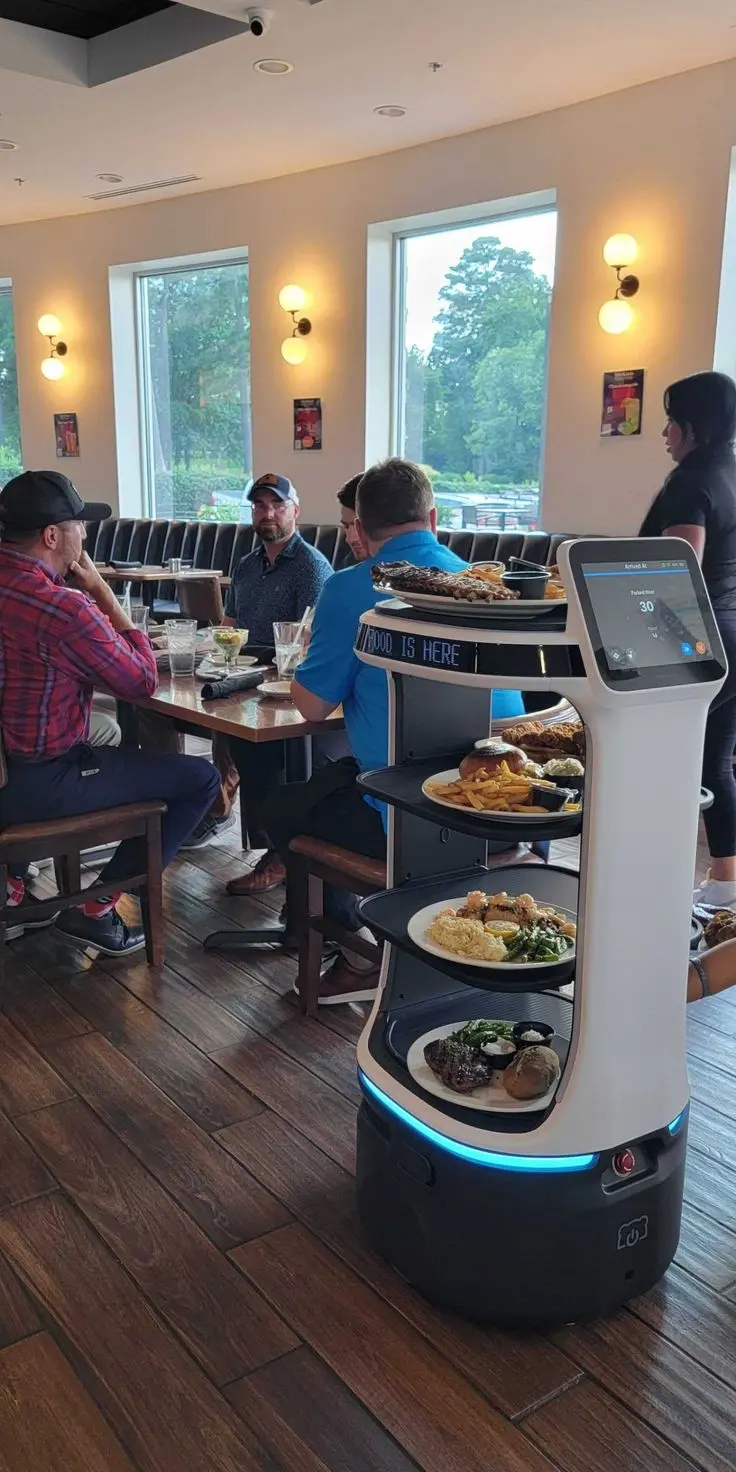
The most heavily used restaurant delivery robot in the US (Pudu BellaBot, over 60,000 units sold across 60 countries) is made in eastern China. New BellaBots will no longer be certified by the FCC unless Pudu applies for a Conditional Approval from the Department of War.
For restaurant operators currently on the fence about delivery robots, this just made the short list even shorter. Any new overseas robot model is now a compliance risk you could make the investment in evaluation, integration, and staffing only to discover you can't get the model when it's time to deploy.
Practical impact: restaurant operators must have access to robot substitutes made in the USA for any installation scheduled from 2026.
The labor math is still the same. US restaurants pay 30–36% of revenue on average to labor. Minimum wages are over $17–20/hour in 23 states. The operational case for delivery robots is more compelling than ever the sourcing decision is the only thing that has changed.
Hotels and Hospitality
The US hospitality service robot market was valued at $1.04 billion in 2024 and forecast to reach $8.2 billion by 2032. Hospitality labor shortages crossed 570,000 jobs in 2024, propelling hotel chains toward faster robot integrations.
Keenon Robotics and Pudu Robotics both have a large share of hotel delivery robot deployments around the world. Both are Chinese brands. New models of both brands are directly influenced by DA-26-786.
This both motivates and presents an opportunity for hotel procurement teams: hotel operators who act now and start procuring only US-made room-service and lobby robots set already compliant infrastructure for employees and guests.
Healthcare and Hospitals
Hospital procurement teams currently perform cybersecurity checks on vendors for their medical technology. The new FCC ruling is the tipping point where formal vendor security has become the standard in healthcare.
Exactly the kind of high-risk security profile that the security determination called for: a robot brought in from overseas wandering hospital halls, collecting information about the hospital using LiDAR and webcams, and hooked into the hospital WiFi networks.
Here is how healthcare administrators will know they are in compliance: all new foreign models of robots will not be allowed to be authorized in the US. All robots used for hospital delivery, transport of specimens, and disinfection are required to come from a respected company in this country.
Warehouses and Logistics
The warehousing AMR market for autonomous mobile robots is much more heavily concentrated among cross-border manufacturers. Supply chain managers who were considering AMRs made in China for deployment in 2026–2027 now have an entirely different purchasing context.
This FCC ruling simply echoes what supply chain strategists have been preaching since 2022: reliance on critical technology made outside the US imposes a business and operational risk that is no longer acceptable. For warehouses handling government contracts or working within a controlled environment, US-made AMRs are not just the logical choice they are now the required compliance option.
Is it possible for foreign robot companies to be exempt?
Yes but it's difficult.
The FCC ruling incorporates a Conditional Approval. If a foreign manufacturer applies to the Department of War on whether their particular devices constitute an unacceptable national security threat, then during the transition period they may remain eligible to continue FCC authorization.
It's similar to the drone industry, which went through the exact same process in December 2025. A select number of manufacturers gained Conditional Approvals. The majority didn't, or are still waiting.
For US companies looking at robots today, the Conditional Approval process introduces a level of uncertainty: approval for a foreign maker will come at some point, or it won't. The timeline is unknowable. Companies that purchase foreign robots are risking on a question the US government has not yet answered.
The risk is one-sided: getting a Conditional Approval turned down after you have begun integrating a robot into your operation means you are "married" to a platform without upgrade options forever.
What US businesses should do right now
If you already run authorized foreign-made robots:
You don't have to do anything. Your existing robots can keep working. Software updates for your presently authorized models can be approved with a waiver. Think long term, though you will not be able to upgrade your presently authorized model to future versions without a Conditional Approval.
If you haven't purchased yet:
Pause procurement on foreign-manufactured models. Check whether the model you were monitoring has FCC approval for operation or is being pursued as a new model. A new model does not have FCC clearance and cannot be legally imported or sold. Transition to US-manufactured or assembled robots. They are US end products and if they reflect an FCC-approved path, they are not subject to DA-26-786 compliance risk.
Get to market quicker than your competitors:
The current compliance environment has provided US-based robot suppliers a structural advantage in the marketplace. The companies who deploy compliant robot infrastructure now will be very well-positioned when support for foreign options becomes more of a challenge.
Involve legal advice as soon as possible:
Check if the particular models you intended to buy are already FCC approved. If they are not, then you require a US-made equivalent — ASAP.
Why this is happening and why it will still be there
This decision didn't happen just like that. It was an inevitable outcome of a pattern the US government had been working through over years: the Huawei equipment ban in early 2021, Chinese surveillance cameras in mid-2021, foreign drones in December 2025, and robots now.
These devices all share one main characteristic: networked sensors that continuously detect their surroundings and communicate over the Internet to collect, exchange, and process information. Devices like these can turn into intelligence-gathering tools if they fall into the wrong hands. As far as robots are concerned, there are very few instances where their profile is even somewhat different from these devices.
A quote from The Robot Report of an anonymous robot industry expert says it quite simply: "The cybersecurity issue became evident after a researcher uncovered a remote control feature (backdoors) in certain foreign robots and another researcher found certain models to be sending data back abroad secretly even without the owner's permission."
Standard Bots' CEO wrote on LinkedIn: "This action is definitely one of the technology security related decisions in the last few decades that is so strong at making the message unambiguous: robotics, in fact, is such a technology that Americans must dominate it."
The way of thinking in the business community has already been directed by that policy. The US government is gradually shutting market access to foreign makers of internet connected devices that pose data collection and cybersecurity risks. Robots join them as the latest category. They definitely won't end up as a one-time thing. Investing and developing US robotics industry infrastructure now is more than a legal obligation it's also a business investment decision with far-reaching implications.
OpenDroids and US Manufacturing
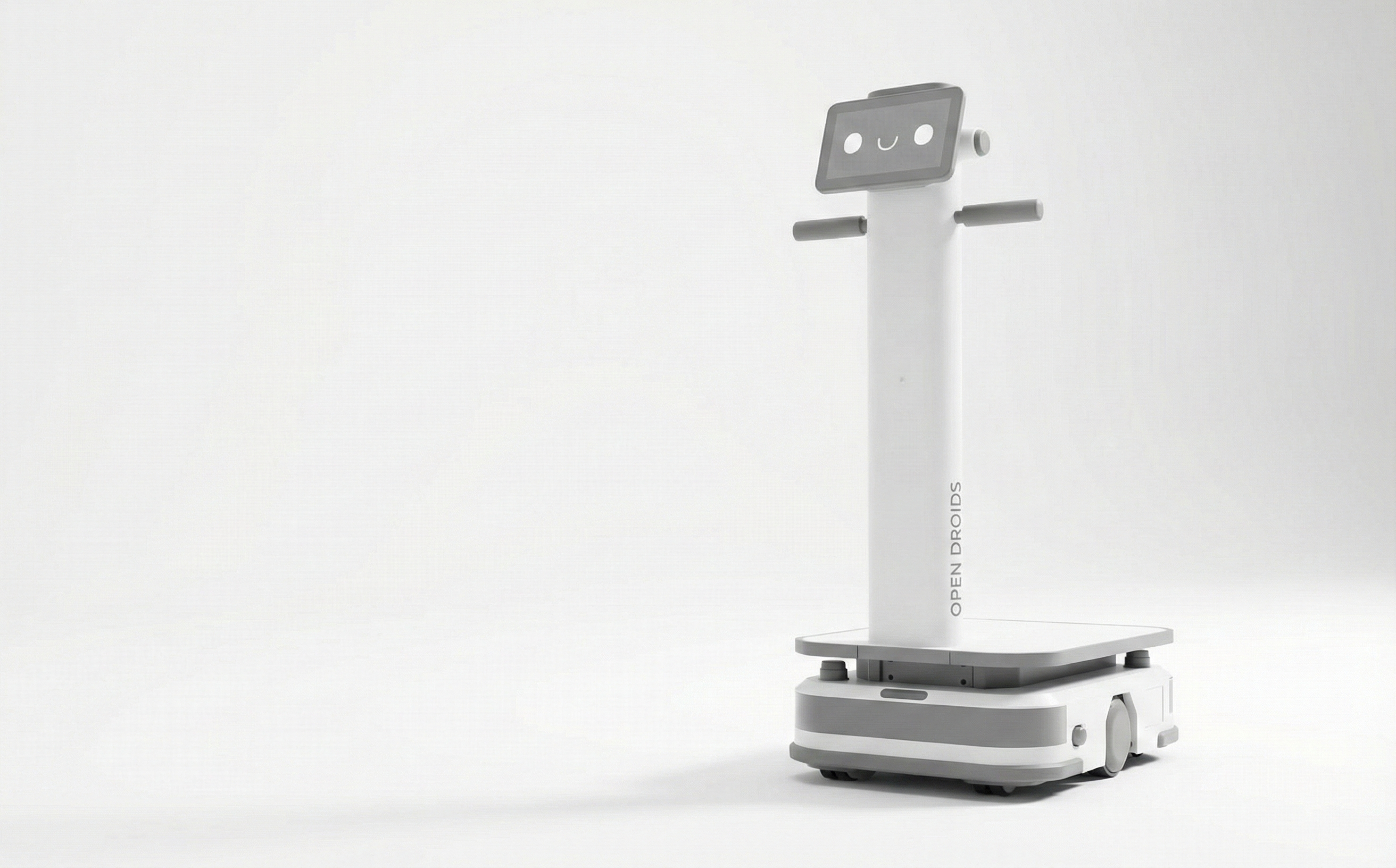
OpenDroids, a U.S. robotics company, hopes to do the final stage of manufacturing for its business service robots right here in America. Our robots are designed and made in the U.S. in collaboration with partners such as NVIDIA Inception and Google DeepMind, and we work with legal counsel to confirm whether our products are end products of domestic manufacturing as defined in 48 CFR §25.101(a).
For help selecting FCC-compliant robot models that will suit your business needs whether it's a restaurant, hotel, hospital, warehouse, airport, or manufacturing site please contact us. We will tailor solutions to your specific needs and usually can evaluate the situation in a week.
Our deployment model is Robotics as a Service (RaaS), which is based on a subscription. There will be no initial hardware purchase price, robots will be up and running in 30 days, and 24/7 support is included with the services.
Frequently asked questions
What did the FCC ban on robots actually say?
On July 28, 2026, the FCC added all foreign-produced advanced robotic devices to its Covered List under public notice DA-26-786. New models of foreign produced robots cannot receive FCC equipment authorization, and are therefore prohibited from being imported, marketed, or sold in the United States. The restriction applies to where the device is produced, not the nationality of the company making it.
Which robots are affected by the FCC ban?
The ban covers new models of advanced robotic devices produced outside the US, including autonomous mobile robots (AMRs), humanoid robots, quadrupeds, bipeds, and wheeled robots over 4.4 lbs with network connectivity. This directly affects new models from brands including Pudu Robotics (BellaBot, KettyBot, FlashBot), Keenon Robotics, Unitree, and other foreign manufacturers.
Are existing robots already in use affected by the ban?
No. The ruling applies only to new models seeking FCC authorization after July 28, 2026. Robots already authorized before that date can continue to be sold, imported, and used. Businesses currently operating authorized foreign robots are not required to remove or replace them.
What robots are NOT affected by the FCC ban?
Robots that qualify as US domestic end products under 48 CFR §25.101(a) those with US final assembly are exempt. Foreign manufacturers can also apply for Conditional Approval from the Department of War to continue seeking authorization during a transition period, though approval timelines are undefined.
What should US businesses evaluating robots do now?
Verify whether any robot model you were evaluating has existing FCC authorization or is a new model. If it's a new model from a foreign manufacturer, it cannot be legally imported or sold. The safest procurement path is a US-assembled robotics provider. Contact OpenDroids for guidance on compliant alternatives for your operation.
Is Pudu Robotics (BellaBot) affected by the FCC robot ban?
Pudu Robotics is headquartered in Shenzhen, China, and manufactures its robots outside the United States. New Pudu models including new versions of BellaBot, KettyBot, and FlashBot will be unable to receive FCC equipment authorization under DA-26-786 unless Pudu secures a Conditional Approval from the Department of War. Existing, already-authorized Pudu models are not recalled or banned.
Has any foreign robot manufacturer received Conditional Approval since the July 2026 ruling?
As of this writing, no foreign manufacturer has publicly confirmed a granted Conditional Approval from the Department of War, and the process and timeline remain undefined. Check OpenDroids' blog or contact us for the current status, since this is an evolving regulatory situation.
Does the FCC robot ban apply to robots used outside the United States?
No. DA-26-786 governs FCC equipment authorization for import, marketing, and sale within the United States. Robots operated exclusively outside U.S. jurisdiction aren't subject to this ruling, though manufacturers selling into both markets may still need separate compliant product lines.
Related reading
- FCC-Compliant US Service Robots — OpenDroids
- US Robot Manufacturing — OpenDroids Assembly Roadmap
- Robots for Restaurants — US-Made Options
- Robots for Healthcare — FCC Compliant Deployments
- Robots for Hospitality — US-Assembled Hotel Robots
- Robots for Warehouse Automation
- Start a Robot Business in the US
- FCC Official Notice DA-26-786 (external)